

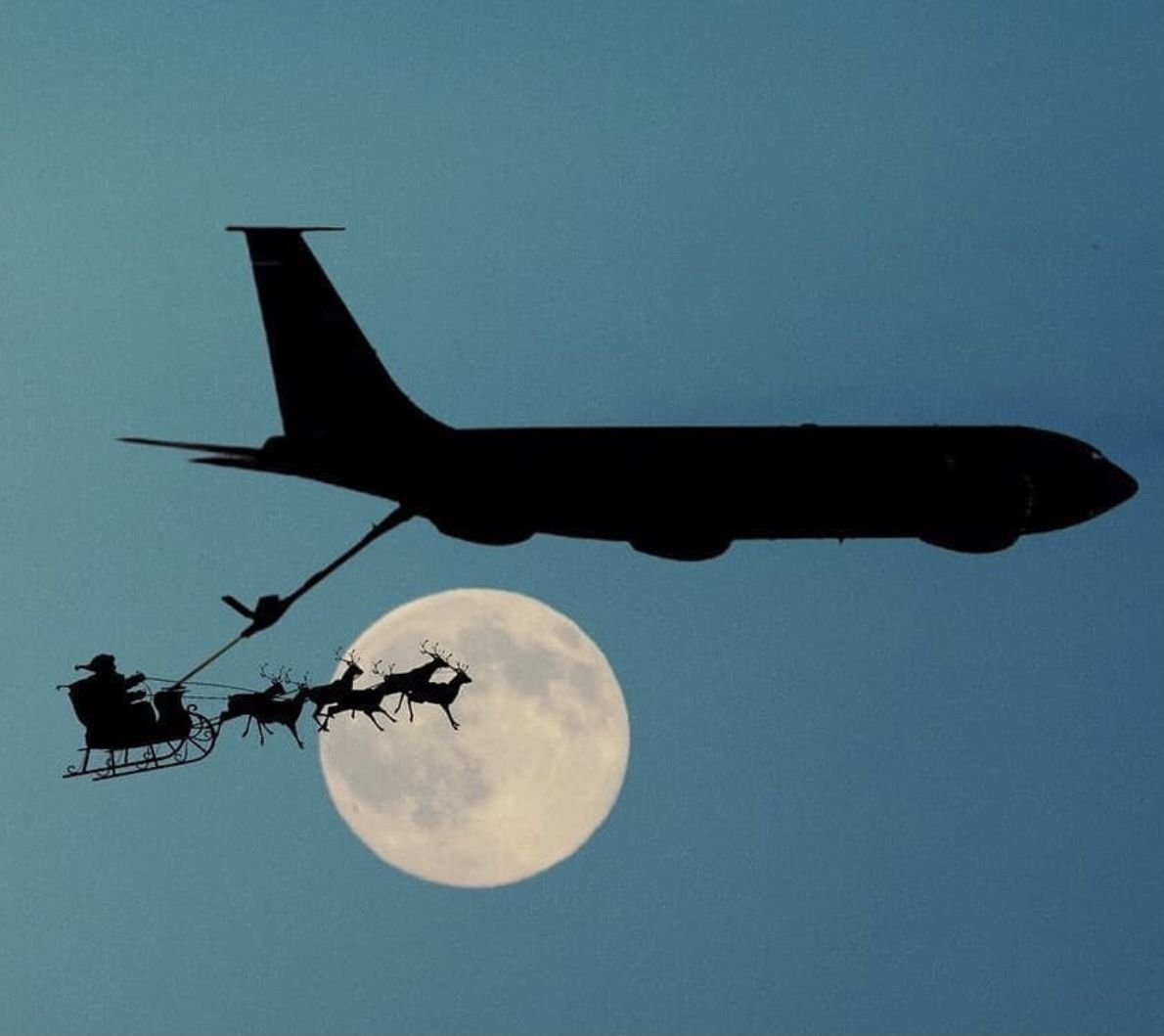

The Christmas season is not only a busy travel season for aviation; it is also the most challenging testing ground for winter operations. Low temperatures, the risk of icing, and limited visibility conditions demand disciplined and flawless operation, even under the Christmas lights.
In the Northern Hemisphere, Christmas coincides with the most meteorologically challenging period for civil aviation. Beyond a calendar celebration, Christmas week is a critical period where the entire chain, from the cockpit to the control tower, from the apron to the operations centers, operates with winter procedures. The skies are full, but conditions are less tolerant than ever.
Cold Weather and Aircraft Performance
Low temperatures affect aircraft performance in two ways. Dense air improves engine and wing performance, while extreme cold poses risks to materials and systems. The viscosity of hydraulic fluids increases, and sensors and pitot systems become more susceptible to icing. Therefore, preflight checks are carried out more thoroughly during the Christmas period, especially with winter-specific materials.
Icing: The Unseen Danger
Icing is the biggest threat to flight safety during winter months. Even a thin layer of ice on wing and tail surfaces can significantly reduce lift. De-icing and anti-icing operations become critical during the Christmas season due to increased traffic. The correct fluid type, the correct mixing ratio, and “holdover time” calculations are crucial for the uninterrupted continuation of operations.
Apron and Ground Operations
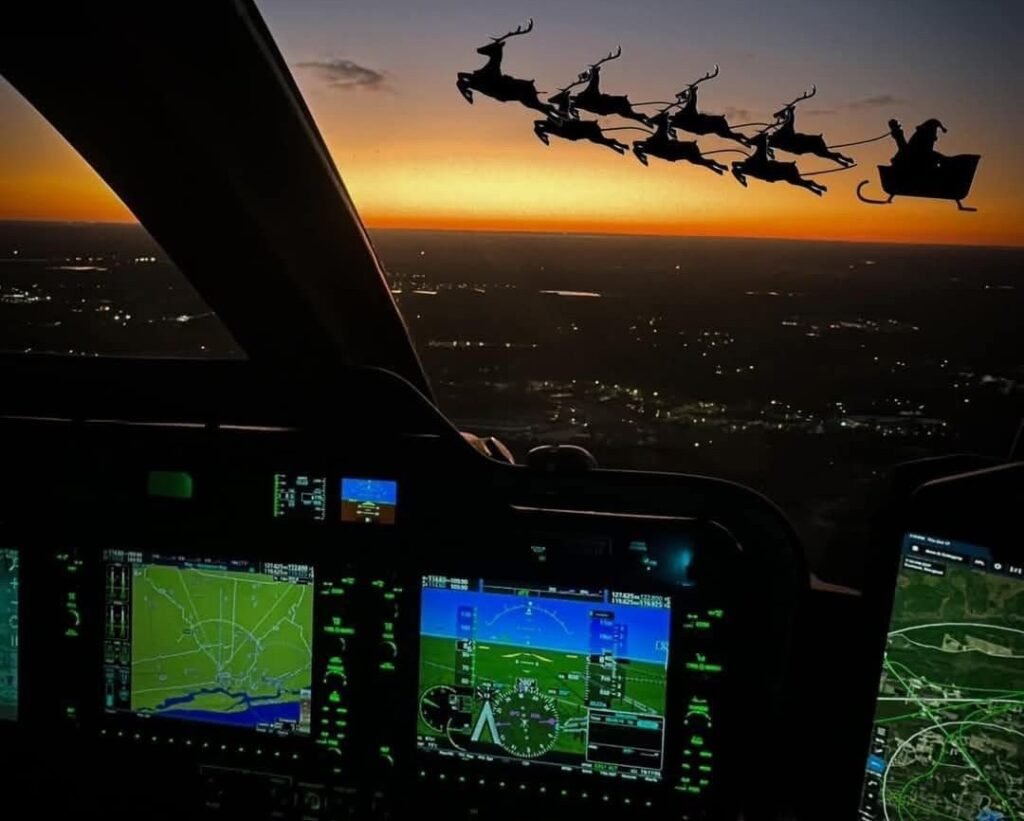
Winter operations are not limited to the cockpit. The apron is both busy and risky during the Christmas period. Snow-covered taxiways, low visibility, and cold weather increase the workload of ground personnel. Nevertheless, coordination is kept at the highest level to ensure that aircraft can receive pushbacks on time. Especially during nighttime hours, reduced apron traffic makes winter operations relatively more manageable.
Christmas in the Cockpit: Procedure and Discipline
While Christmas Eve may be a romantic atmosphere for flight crews, procedure always takes priority in the cockpit. Low visibility procedures (LVP), CAT II/III approaches, and winter-specific briefings are a standard part of Christmas flights. The increasing use of automation makes pilots’ situational awareness even more important in this process.
Air Traffic Control and Winter Conditions
Winter conditions directly affect air traffic flow. Runway capacities decrease, separation distances may increase, and departure intervals may lengthen. During the Christmas period, ATC must manage increased demand while not compromising safety. This balance is carefully maintained, especially at busy hub airports.
The Unseen Face of Christmas Operations
For passengers, a Christmas flight is a destination. But for aviation professionals, this period is a process where the limits of the system are tested. Dispatch teams constantly update the weather, maintenance teams carry out preventive checks against the cold, and crew planning is carried out with minimum disruption to rest periods.
