


Introduction
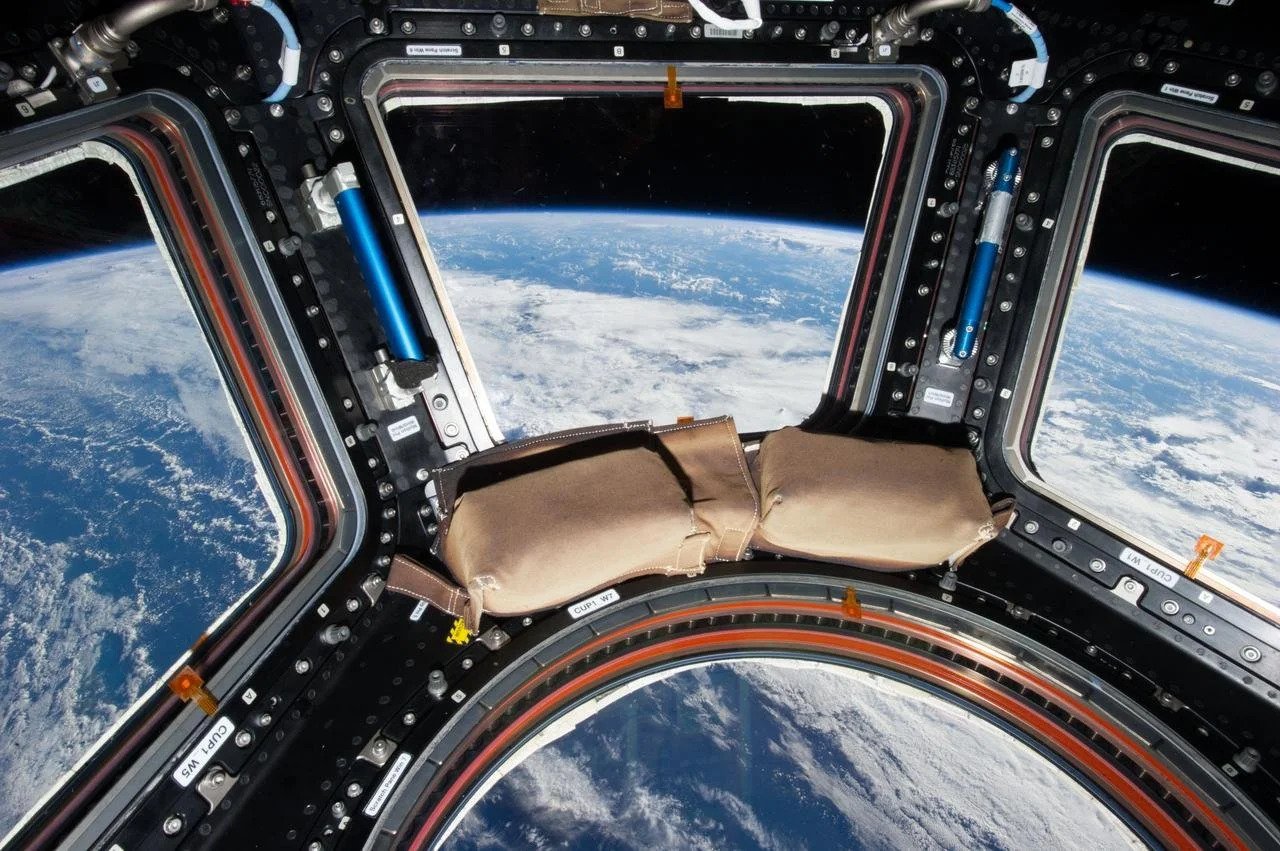
Space has always been a target of curiosity and research for humanity. In the 19th century, people were able to get a closer look at space with the help of advanced telescopes and by the mid-20th century, they had even reached the Moon, Earth’s satellite. Looking at the recent past, space research has started to shift from the control of governments to that of companies. As companies become more active in the space industry, work has begun on civilian projects in space. One of these is space tourism. Space tourism is a recreational space travel done with state owned and private companies’ vehicles.
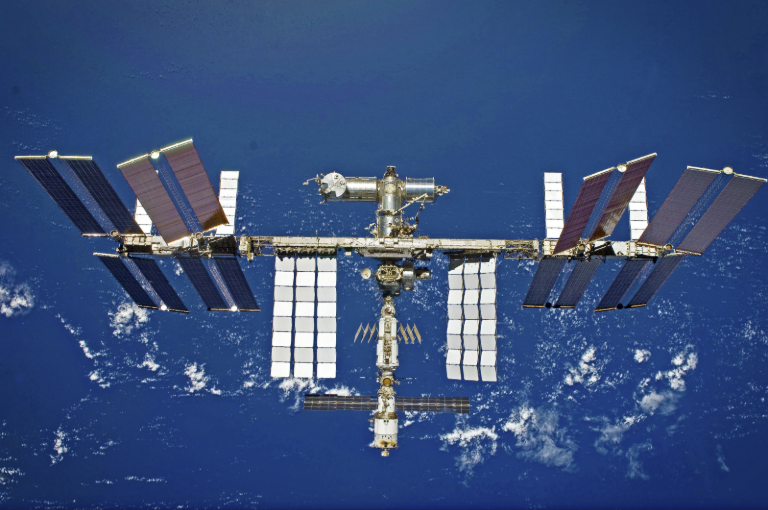
Before looking at the history of space tourism, it is necessary to examine the two categories of space tourism: suborbital and orbital. The suborbital journey lasts approximately 10-15 minutes, during which passengers can experience non gravity for a few minutes. During the orbital journey, the International Space Station is visited and it takes approximately 1-2 days.
International Space Station (ISS)
Historical Background
Space tourism began in 2001 when American businessman Dennis Tito paid $20 million to visit the ISS. In the following years, people like Elon Musk, Richard Branson, and Jeff Bezos thought that the popularity of space travel would increase, so they worked on it in their own companies. Richard Branson’s Virgin Atlantic planed suborbital flights with $200,000 tickets, while Elon Musk’s Space X became the first commercial company to transport cargo to the ISS in 2012. Jeff Bezos’ Blue Origin offered both orbital and suborbital flights. During this period, various technological approaches emerged, such as the UK-based Starchaser Industries and Spain’s Zero 2 Infinity, which proposed using high-altitude balloons for near-space experiences.
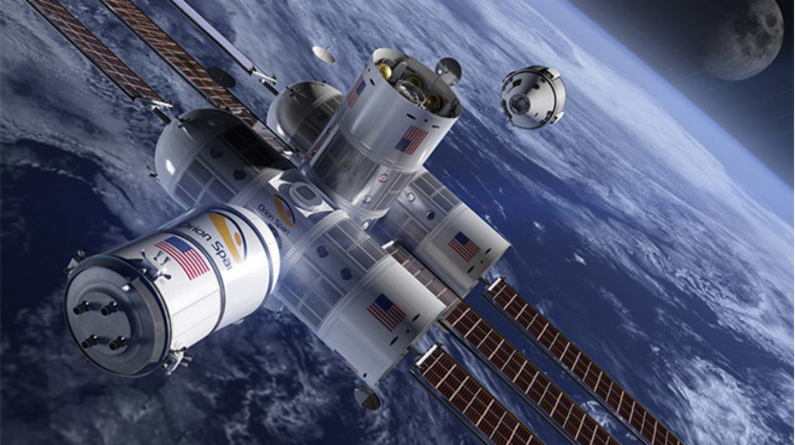
As the technology advanced, the focus shifted from just travel to space accommodation. Robert Bigelow developed inflatable space habitats. Companies like Orion Span announced ideas for “space hotels” such as the Aurora Station. The year 2021 marked a historic turning point for the industry. In July, Richard Branson and Jeff Bezos flew to suborbital space on their own companies’ vehicles just days apart. The famed 82-year-old aviator Wally Funk and young Oliver Daemen were among the many passengers on these missions, which garnered much international notice. Despite a brief grounding in 2022 owing to a malfunction, Blue Origin’s New Shepard began crewed tourism flights again in May 2024. Space tourism is becoming a thriving, quickly expanding worldwide industry, rather than just a rare pastime for billionaires.
First Luxury Space Hotel: Aurora Station
Future Challenges of Space Tourism
The growth of the industry of space tourism has allowed everyday people for the first time in history to travel to space as paying customers and not just trained professionals like astronauts, who have completed several years of intense training. Space tourists will have access to travel after only a couple of weeks of special training designed to mitigate the potential risks associated with spaceflight. In addition large segments of the public wish to travel to space, the current prices are so high that only a small percentage of the population will be able to afford the opportunity to do so. While it is expected that these prices will be reduced due to technological advances, it is likely that space travel will remain out of reach for most of the population in the immediate future.
The high price that early space tourists have paid for their travel has allowed private companies to expand and further develop the industry of space development in ways that are no longer limited to government-funded projects. The commercialisation of such activities, however raises a variety of concerns regarding environmental effects, the legality of the operations and the entrepreneurial effects of these companies on the economy

Virgin Galactic Rocketship
Conclusion
Dennis Tito’s independent attempt in 2001 has transformed into perhaps one of the most progressive wings of aerospace industry; space exploration is now open to everyone because of the merging of private sector ingenuity and access to the many benefits of commercial launch vehicles.
Private sector innovation is opening numerous doors for exploration previously thought of as impossible. However, while the technological advancements of the new age space industry will continue to fuel progress, the ultimate success of this industry will depend on the continued democratization of high cost access, sustainable engineering practices that reduce impacts on the environment, and comprehensive international legal regulations. On a broader level, beyond meeting the needs of humankind’s passion for exploration, space tourism will continue to drive innovation in technology and to have a major impact on both the future of the global economy and scientific research in the years ahead.
References:
- Seedhouse, Erik. “Space Tourism.” Encyclopædia Britannica, 31 Oct. 2014, www.britannica.com/topic/space-tourism.
- Space tourism | Research Starters | EBSCO Research. (n.d.). EBSCO. https://www.ebsco.com/research-starters/sports-and-leisure/space-tourism
- Sutter, P. (2024, August 29). Space tourism: What are the pros and cons? Space. https://www.space.com/space-tourism-pros-cons