

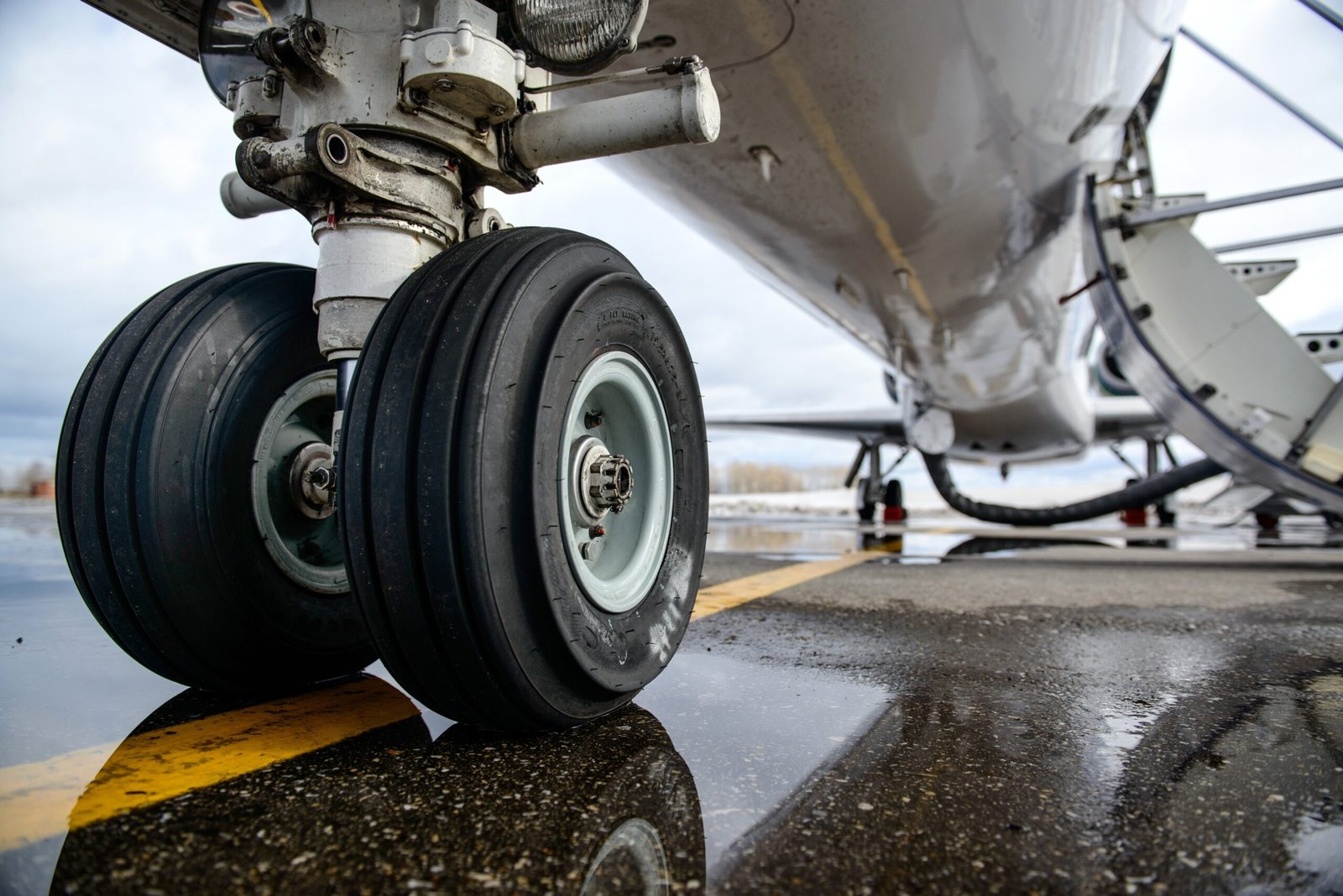

For the average airline passenger, the flight is not really over until they feel that distinct thud on the runway, followed by the roar of reverse thrust. The moment of landing, where a 200 ton metal tube goes from a moving object to a moving vehicle, is made possible by one of the most complex systems in the world of engineering: the landing gear. While the wings of an airplane are used for lifting the plane up in the air, the engines are used for propelling the plane forward, the landing gear is used for the most important work during an airplane’s descent.
Let’s examine the inner workings of this magnificent engineering feat.
More Than Just Wheels
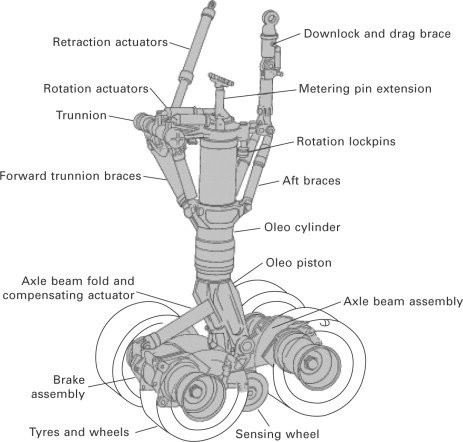
It is very easy to say that the landing gear of an airplane is made up of “wheels,” but while the tires are indeed a part of the landing gear, they are only the beginning of a complex system of structural supports, hydraulics, braking systems, and shock absorption. The most important part of the landing gear system is the shock absorption strut, also known as the oleo-pneumatic strut. When an airplane lands, it makes contact with the runway at a significant vertical force. Instead, these struts use compressed nitrogen gas and hydraulic oil to cushion the landing, effectively absorbing the impact and providing a smooth landing.
The Tricycle Configuration
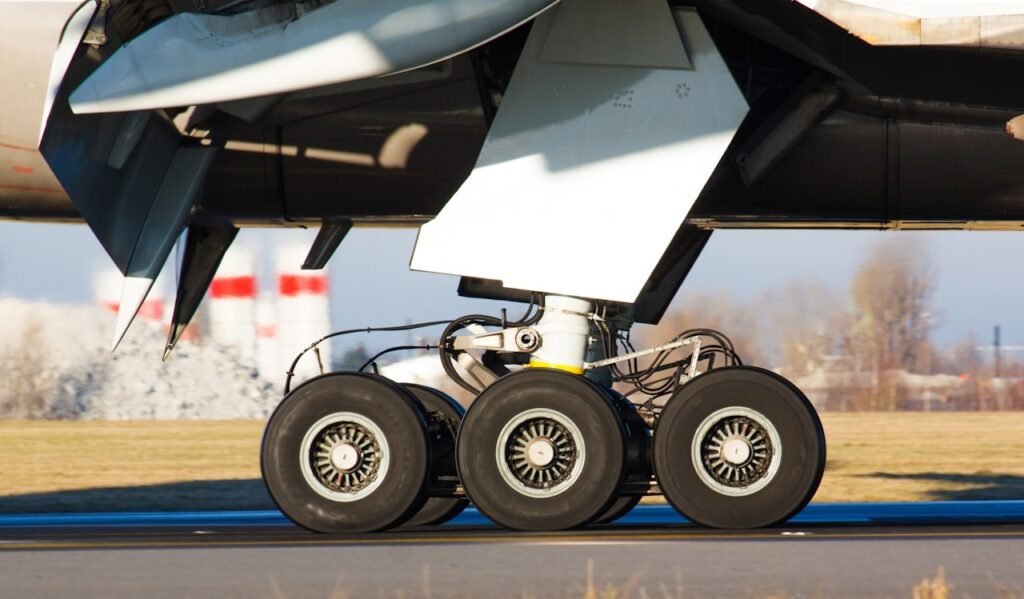
If you examine any of the modern commercial jets in service today, you will notice that all of them have a tricycle configuration. This configuration includes:
• The Main Gear: This gear is placed in an area close to the centre of gravity, under the wings or fuselage of the plane. This gear bears the brunt of the landing weight and contains the braking mechanism.
• The Nose Gear: This gear is placed at the nose of the plane and provides steering capability to the aircraft.
In the past, many aircraft had a configuration in which two wheels were placed in front of the plane and one small wheel placed at the back of the plane. However, in a tricycle configuration, it is easier for pilots to have a better view of their surroundings during taxiing and for the plane not to topple over during braking.
The Art of Retraction
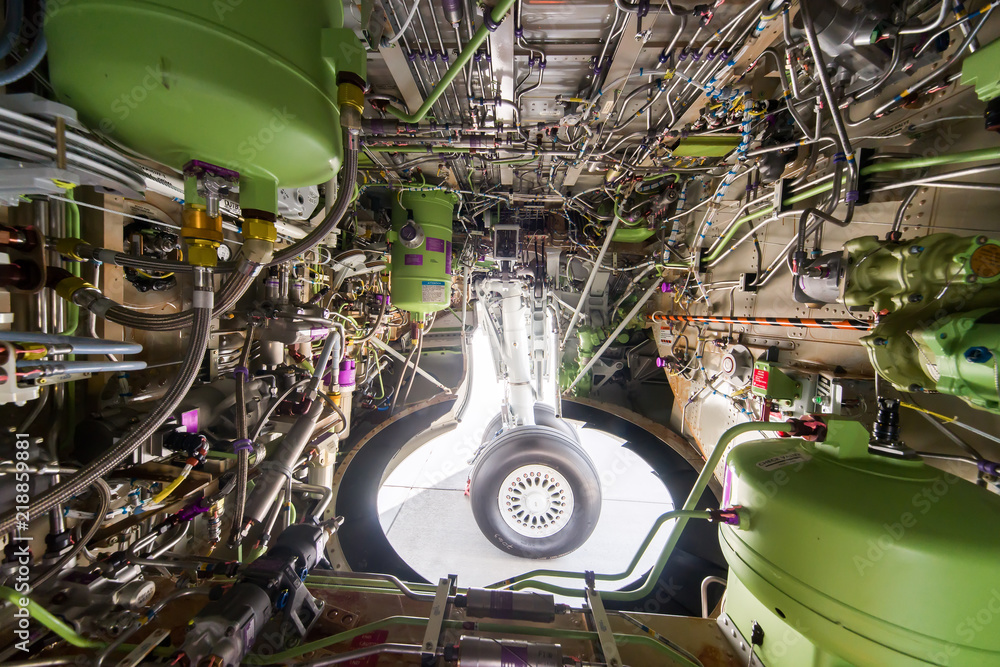
One of the biggest contradictions about the landing gear is that, while it is essential on the ground, it can be a major disadvantage in the air. For example, having fixed landing gear can create a lot of aerodynamic drag, which can impair fuel efficiency and speed. To prevent this, modern airliners employ intricate hydraulic systems to retract the gear into the fuselage or wing shortly after take-off. This is the infamous “clunk whir” sound you hear under your feet a few seconds after leaving the ground. The engineering involved in retracting struts and wheels into tight spaces, without compromising the integrity of the wing, is a marvel of geometry and physics.
Safety and Stopping Power
The landing gears not only support an aircraft, but they also help stop it when it is on the ground. This is because an aircraft is equipped with some of the most powerful brakes in the world, which can reach temperatures of over 1,000 degrees Celsius when stopping an aircraft. They also have anti-skid devices that help prevent the tires from skidding, much like anti-skid brakes on cars. But what happens when the hydraulics fail? Well, that is also accounted for. Most aircraft are equipped with a gravity extension system. This means that in case of a loss of hydraulic power, pilots can use a manual release lever to extend the gears. This lever, when pulled, allows gravity to extend the gears, which then lock into place, ensuring that the aircraft can land safely even without hydraulic power.
Conclusion
The next time you sit in your seat, look out of your window, and watch the ground rush to meet your plane, think about your landing gears. They can withstand extreme temperatures, extreme cold, and extreme pressure, all to keep you safe. They stand strong, like pillars, so that your wings can rest.
References:
- Landing gear. (2025, October 13). SKYbrary Aviation Safety. https://skybrary.aero/articles/landing-gear
- DI SANTO, G. (n.d.). PROPER OPERATION OF CARBON BRAKES. In AIRBUS 11th Performance and Flight Operations Support Operations Conference (pp. 1–3). https://code7700.com/pdfs/carbon_brakes_airbus.pdf