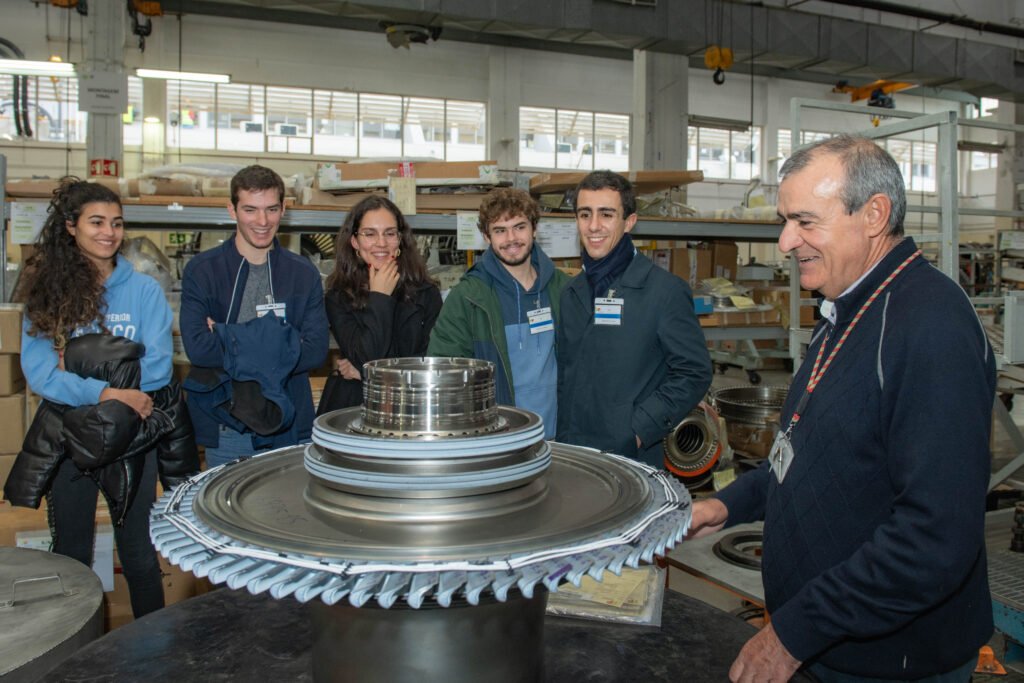
March 2024 Update from AS Lisboa
In the last couple of months, AS Lisboa has been quite busy organising several activities for their members, namely field


In the last couple of months, AS Lisboa has been quite busy organising several activities for their members, namely field
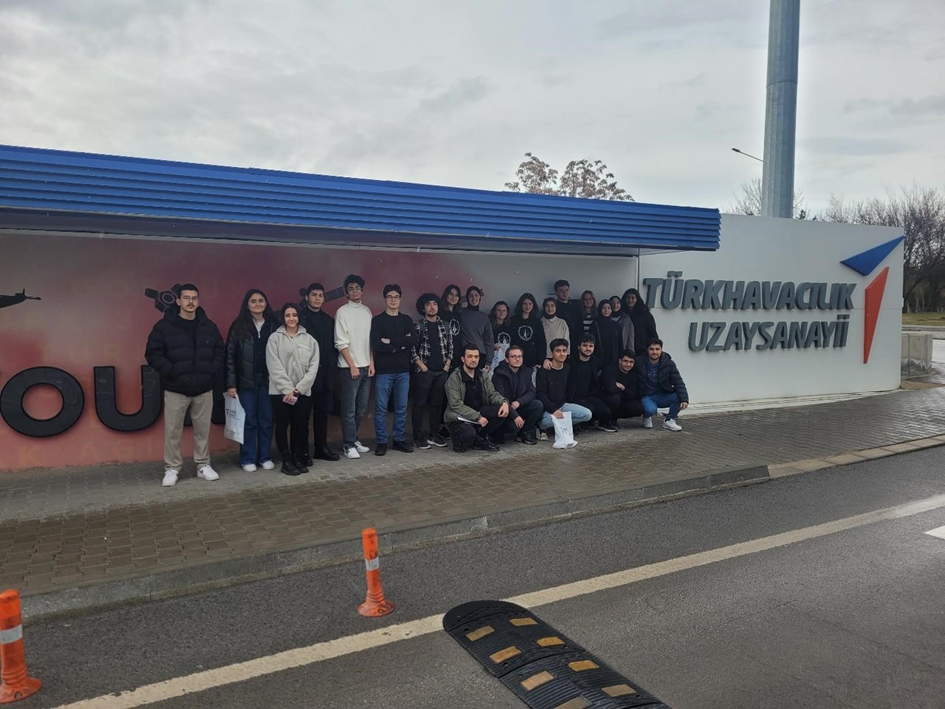
Hello EUROAVIAns! We’ve had a fulfilling period in the last couple of months with the events we have organised, and
With all the hype around the new series ‘Masters of the air’ centered around the 100th Bomb Group, let’s take
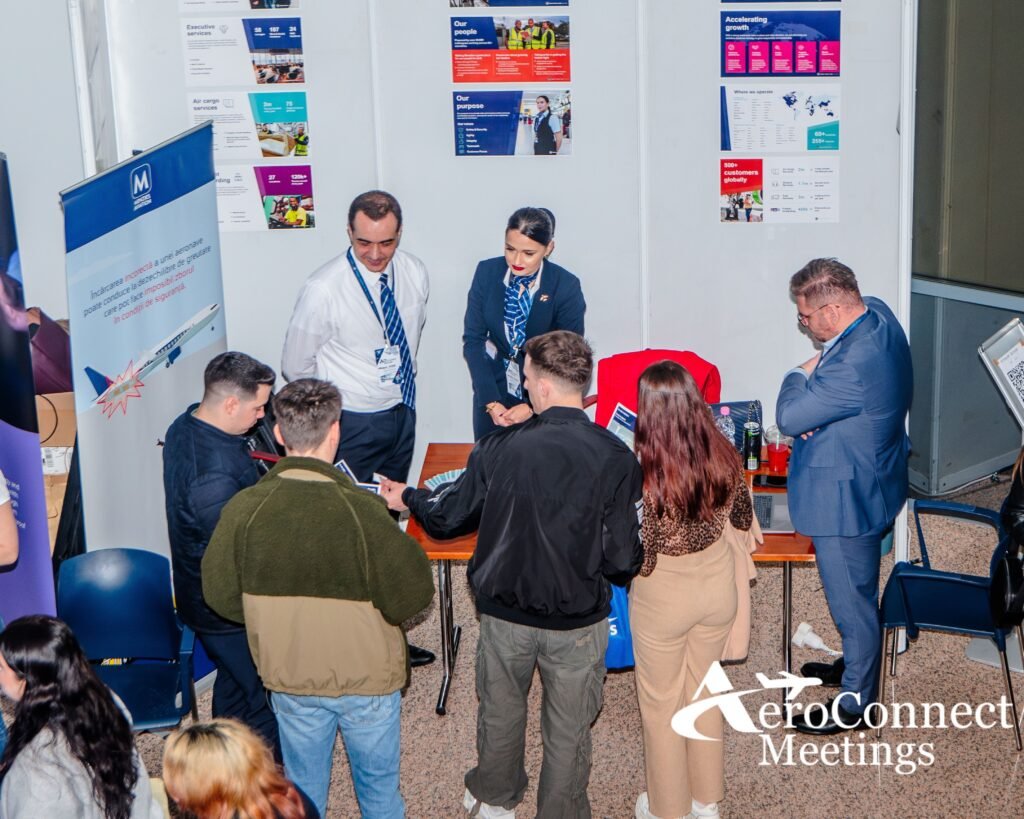
Dear EUROAVIAns, a few weeks ago the second edition of the largest networking event in the aerospace industry in Romania
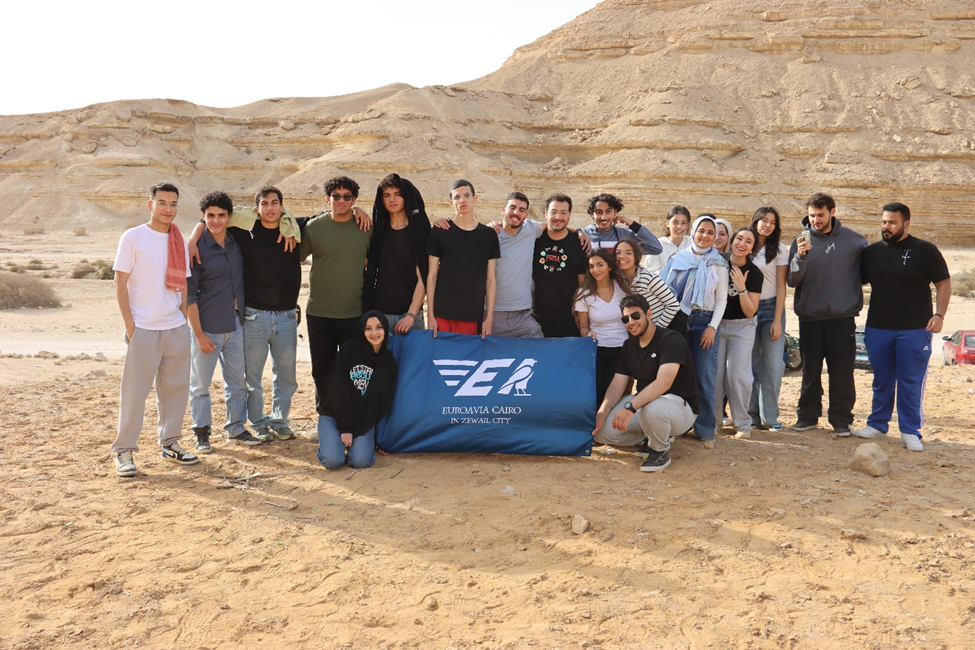
Unwinding from the exasperating tasks and arduous work we have put in throughout the past few weeks, we yearned for
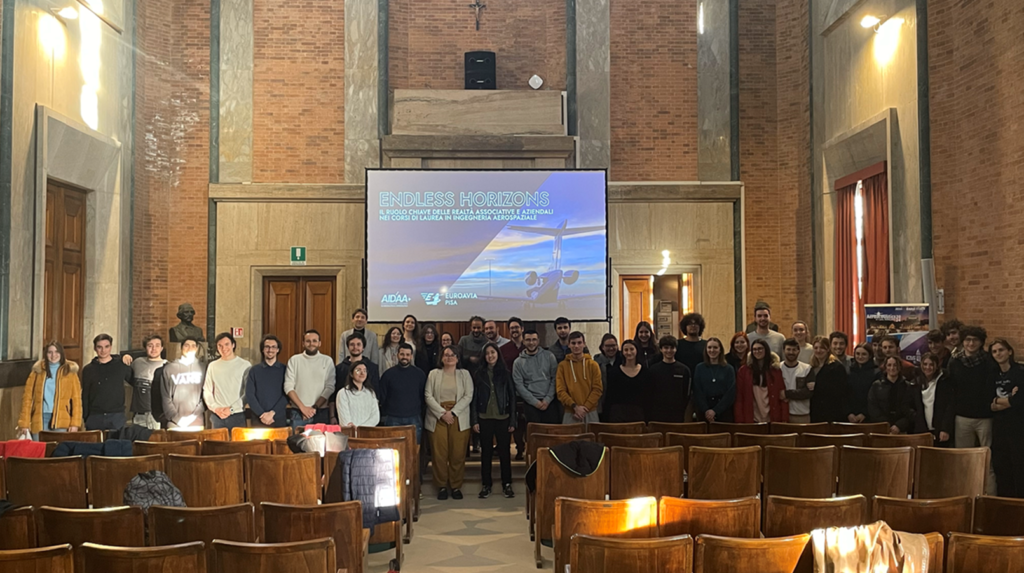
Dear EUROAVIAns, we are convinced that those of you reading this understand the importance of EUROAVIA, are well-informed about everything
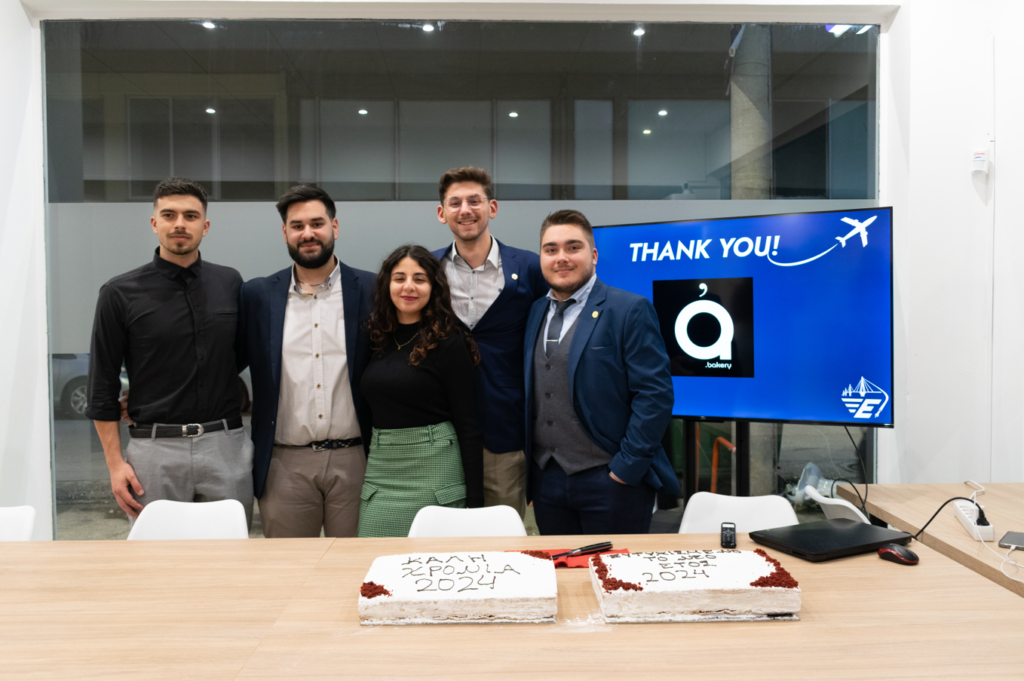
As the spring fills the air with the promise of new beginnings, we at EUROAVIA Patras are thrilled to share
Along with the opening of a test centre in Donauwörth, Germany, the new CityAirbus NextGen prototype was presented to the
In this month’s Wingspan Conversations we take a closer look at Amanda, Treasurer of the International Board of 2023-2024. Read
Nowadays, the two main aircraft manufacturers are based in US (Boeing) and EU (Airbus). However, we might soon see a
In the last couple of months, AS Lisboa has been quite busy organising several activities for their members, namely field trips to the most relevant companies from the aerospace industry and the annual event Semana Aeroespacial, a networking event with national and international aerospace companies for various activities at Técnico Lisbon campus.
Hello EUROAVIAns! We’ve had a fulfilling period in the last couple of months with the events we have organised, and this month has been no exception. Here there are the details of what we have experienced.
With all the hype around the new series ‘Masters of the air’ centered around the 100th Bomb Group, let’s take a closer look to the
Dear EUROAVIAns, a few weeks ago the second edition of the largest networking event in the aerospace industry in Romania took place, AeroConnect Meetings 2024. Organised by EUROAVIA Bucharest on the 2nd of March at POLITEHNICA’s Bucharest Central Library.
Unwinding from the exasperating tasks and arduous work we have put in throughout the past few weeks, we yearned for making our weekend a soothing, yet a thrilling one. Wadi Degla Protectorate was our port of call.
Dear EUROAVIAns, we are convinced that those of you reading this understand the importance of EUROAVIA, are well-informed about everything related to this association, and recognise its significance. But what about our professors? Is there an equivalent association for them?
As the spring fills the air with the promise of new beginnings, we at EUROAVIA Patras are thrilled to share the joy and success of our recent events. March was a month of celebration and innovation, marking a significant chapter in our journey.
Along with the opening of a test centre in Donauwörth, Germany, the new CityAirbus NextGen prototype was presented to the public. Airbus’ test centre will be dedicated to testing the electrical systems of this and of the future electric Vetical Takeoff and Landing Vehicles -eVTOLs
In this month’s Wingspan Conversations we take a closer look at Amanda, Treasurer of the International Board of 2023-2024. Read on to learn why she joined the organisation and what her goals are as IB member.
Nowadays, the two main aircraft manufacturers are based in US (Boeing) and EU (Airbus). However, we might soon see a new silhouette in the sky.