


Between Heritage and Orbit: Two Days Exploring the Frontiers of Aerospace Engineering
In late April, our Local Group embarked on a two-day journey that captured the full spectrum of what it means to study aerospace engineering today. From the roar of legendary engines in Maranello to the silent mathematics governing orbital trajectories, we explored two very different, but deeply connected, faces of innovation. It was a short trip in kilometers, but a long one in inspiration.
A Day in Maranello: Where Engineering Becomes Emotion
On April 27th, we visited the Ferrari Museum in Maranello, an experience that feels less like entering a building and more like stepping into a living archive of Italian engineering excellence. Surrounded by decades of racing heritage, we walked through the evolution of design philosophies, aerodynamic breakthroughs, and the relentless pursuit of performance that shaped some of the most iconic machines ever built.
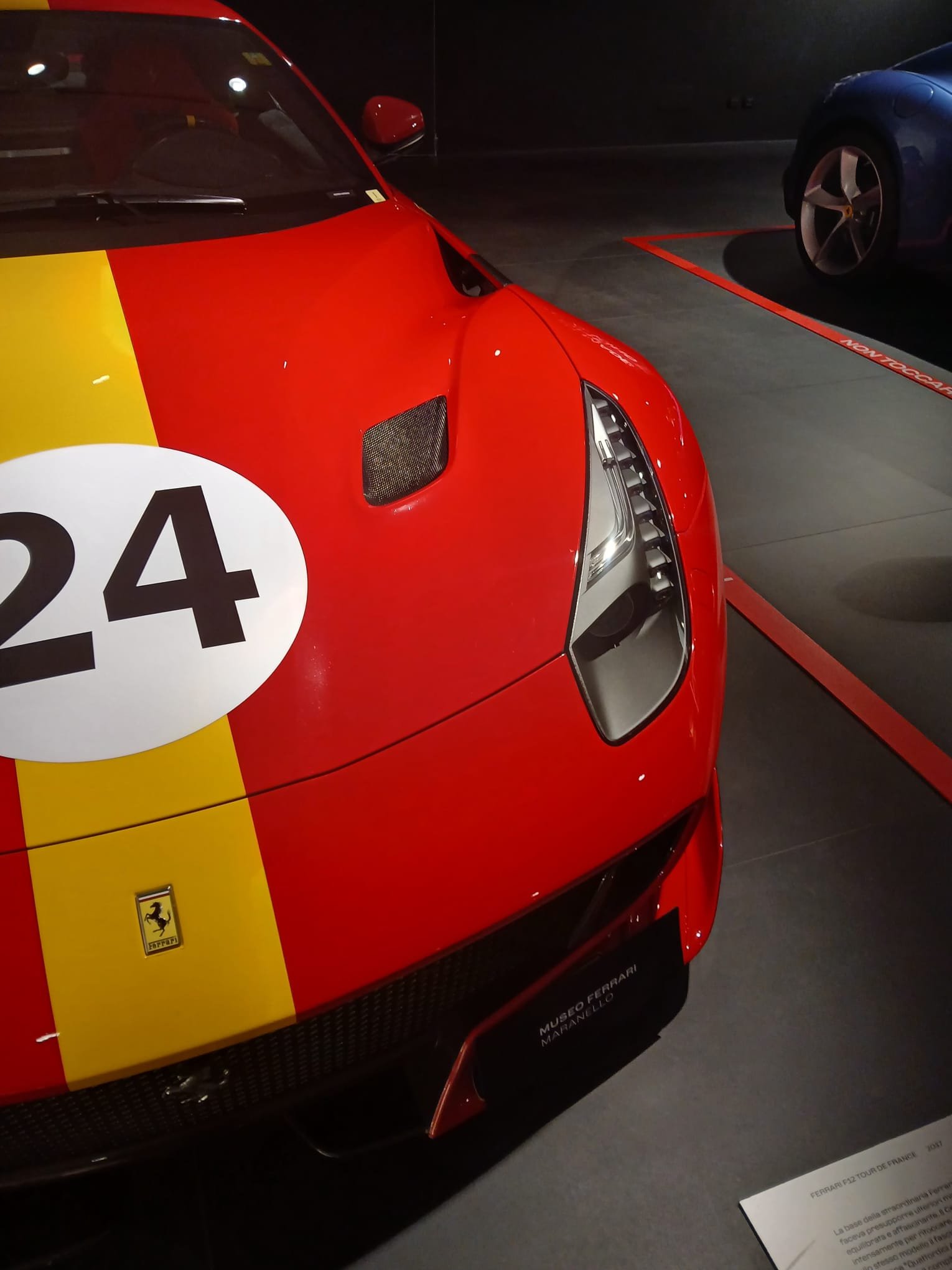
Beyond admiring the cars, we found ourselves reflecting on the engineering mindset behind them: precision, experimentation, and the courage to push boundaries. It is the same mindset we cultivate in our own projects, even if our vehicles tend to fly rather than touch the asphalt.
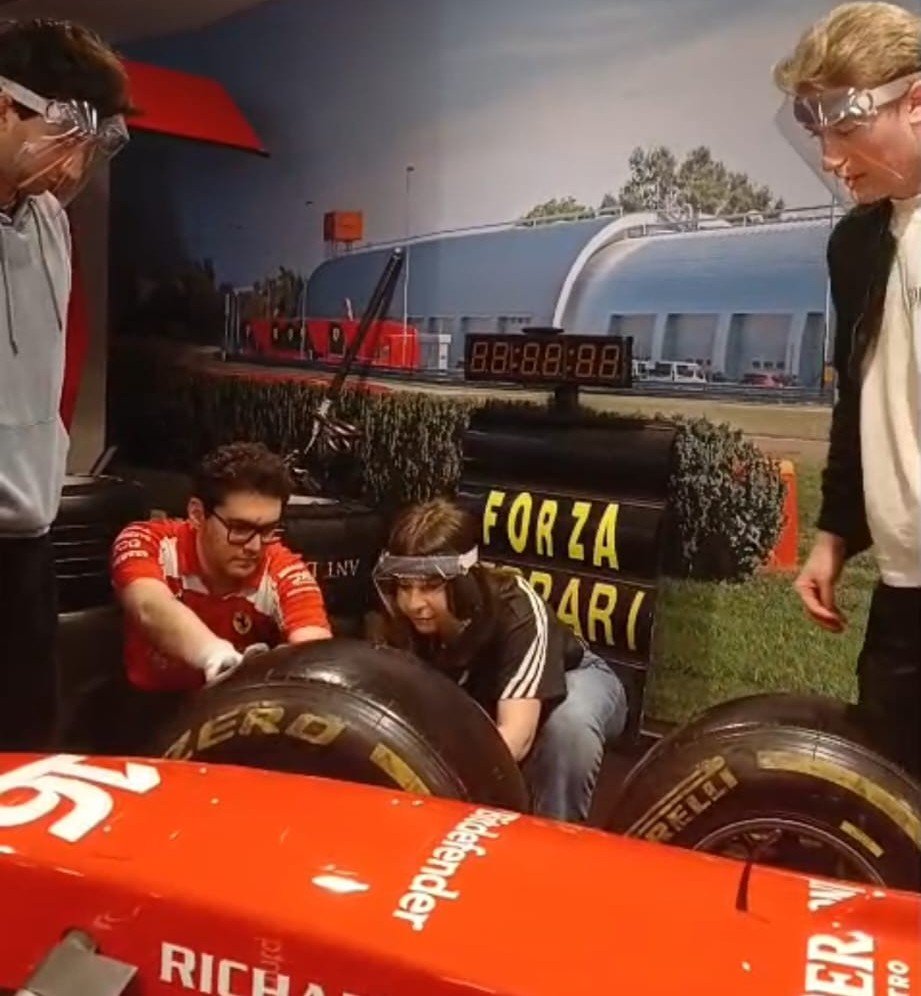
To conclude the visit, we took part in a brief pit-stop experience, which turned out to be far more intense than expected. Coordinating movements, optimizing seconds, and working as a single organism reminded us that engineering is never just about components, it is about people, teamwork, and the ability to perform under pressure. A small taste of motorsport adrenaline, and a big reminder of why we love what we study.
From Engines to Equations: A Conversation with AstroViktor
Two days later, on April 29th, we shifted from the physical world of racing to the abstract elegance of orbital mechanics. We welcomed Vittorio Baraldi, aerospace engineer and science communicator known online as AstroViktor, for a lecture on modern orbital dynamics and trajectory optimization.
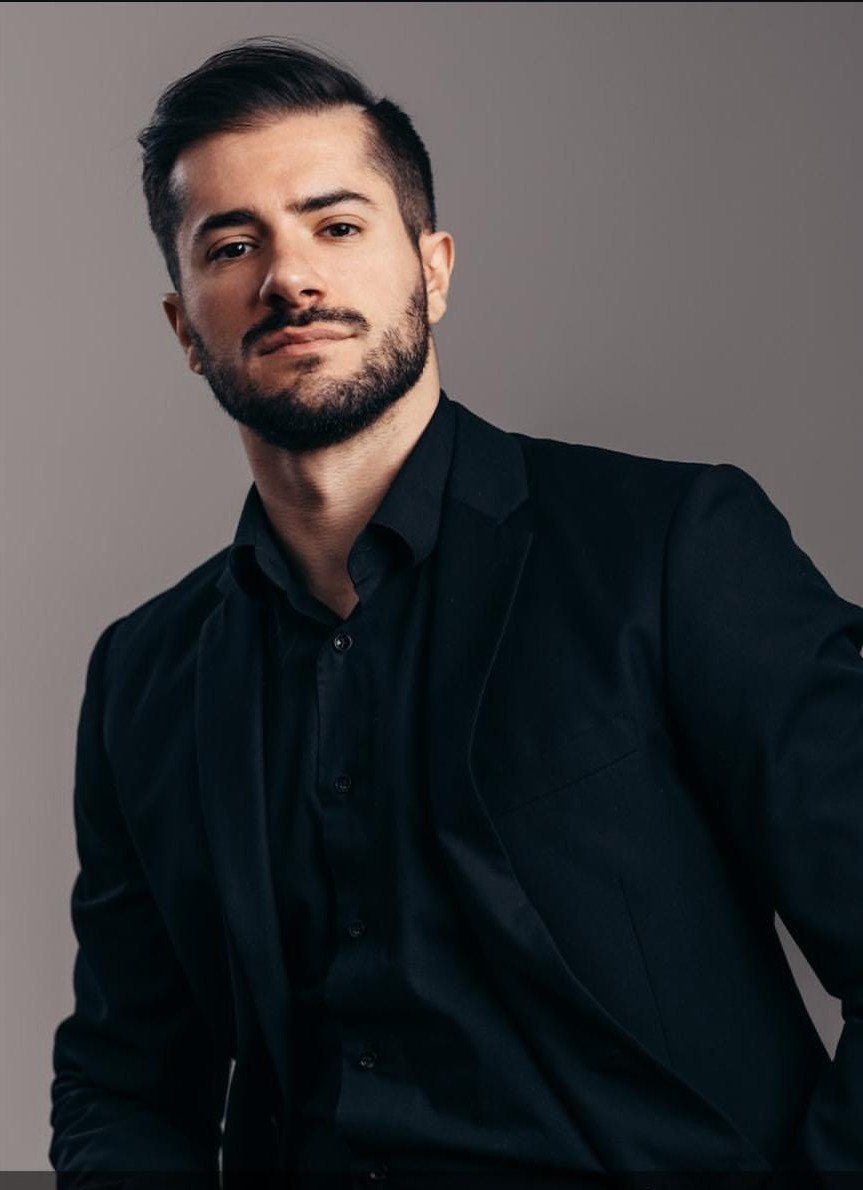
His approach was refreshing: rigorous yet accessible, technical yet engaging. We explored how contemporary mission design relies on numerical methods, optimization algorithms, and clever exploitation of gravitational fields. Concepts that often feel intimidating suddenly became intuitive, thanks to his ability to connect mathematics with real mission scenarios.
For many of us, it was the kind of lecture that reminds you why you chose aerospace engineering in the first place. The kind that makes you want to open your textbooks again, not because you have to, but because you genuinely want to understand more.
A Local Group That Learns, Explores, and Grows
These two experiences, one rooted in industrial heritage, the other in scientific research, captured the dual soul of aerospace engineering.
We build machines, but we also build models. We admire the past, but we study the future. And we do it together.
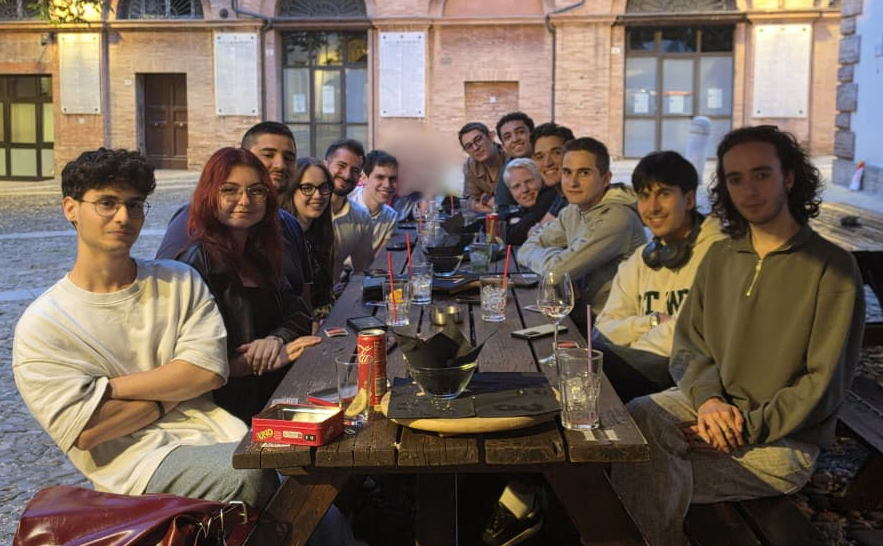
Our Local Group is growing into a community that does not just attend events: we create opportunities to learn, to connect, and to be inspired. Whether we are standing next to a Formula 1 car or discussing orbital transfers, we carry the same curiosity and the same drive to improve.
April reminded us that engineering is not just a degree, it is a journey. And we are proud to be walking it side by side.