

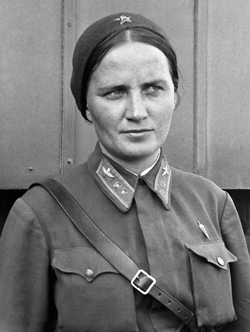

The name of Marina Raskova is mostly linked to the all-female 588 Night Bomber Aviation Regiment she contributed to form and that earned the famous nickname of the Night Witches.
A lot has been written about those brave girls who dared fighting back the Germans in their outdated Po2 biplanes, and there’s already a good article about both them and their American colleagues here on this blog, however I thought that she deserved a highlight on her own.
Marina Mykhailovna Malinina was born on 28 March 1912 into a family with a deep artistic attitude. Both her father and her aunt were musicians, and she grew up with no real interest in flight but a strong desire to follow their steps and become a singer herself. Unfortunately an ear infection in her teens soon shattered her dream. She ended up studying chemistry instead and right after graduation she started working in a dye company where she met, in 1929, her future husband Serghey Raskov from whom she’d gain her surname.
Time to fly
After the dye factory she started working as a drafter in the Air Navigation Laboratory of the Air Force Academy, and from that moment there would have been no turning back. She studied there and became navigator in 1933, the first women to get that degree. In 1934 she became the air navigation teacher at the Zhukovsky Air Academy and got her flight licence.
In 1935 she divorced and dedicated herself to long distance flights, quickly gaining the nickname of the Soviet Amelia Earhart.
The Rodina
The most famous endeavour she was involved in was a non-stop flight between Moskow and Komsomolsk, in the far East. A 6000 km travel to be covered with Rodina (“Motherland”) an Ant 37 bomber modified for long range flights.
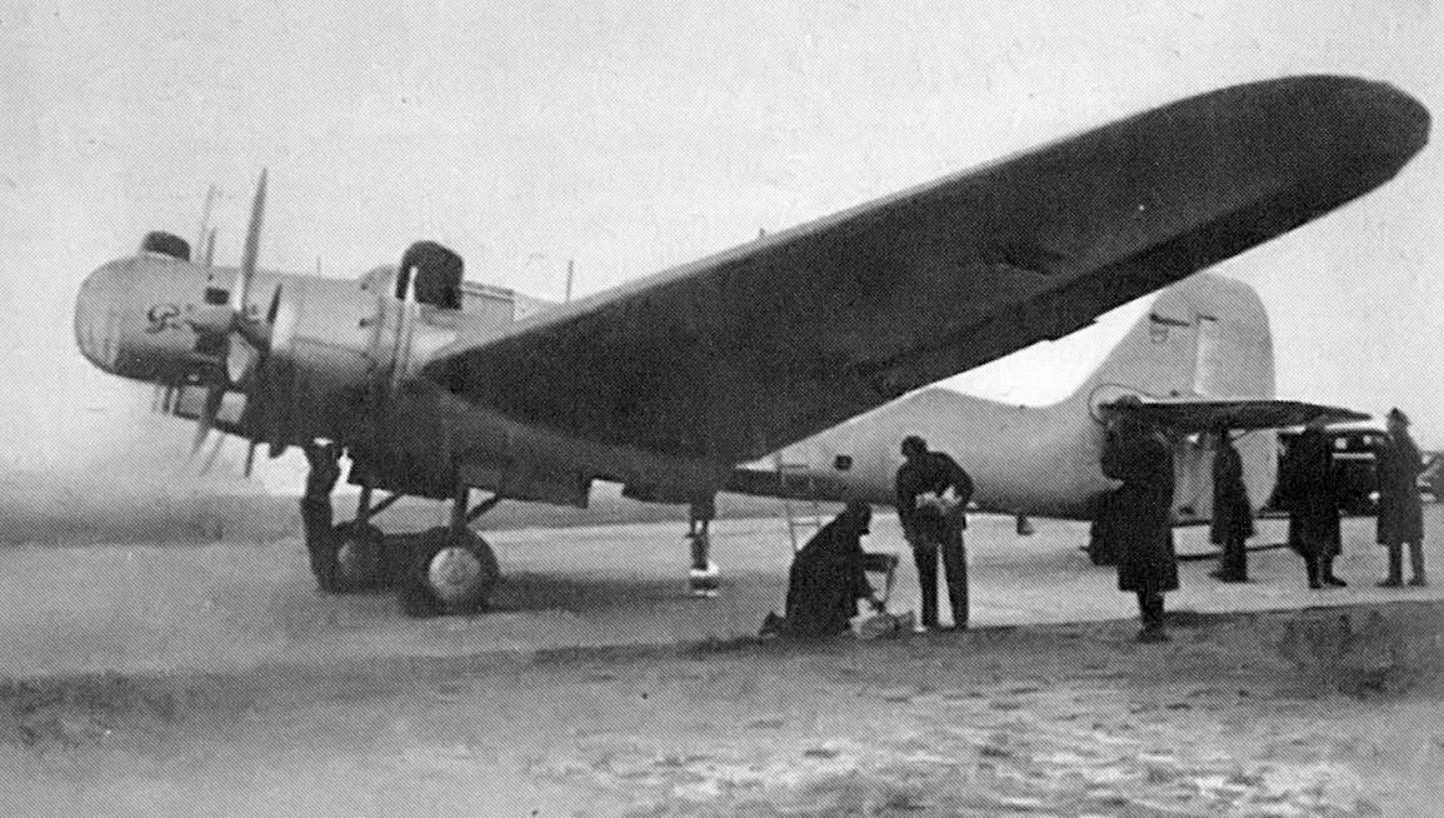
The all women crew, composed by Raskova, Polina Osipenko and Valentina Grizodubova took off on 24 September 1938. During that flight visibility was so scarce that the landing airfield could not be found, so the crew had to attempt an emergency landing. As Raskova seat was in the nose, not reachable from the main cockpit, she was adviced to parachute rather than risking being crushed or trapped after touchdown.
She parachuted on the taiga from 2300m and wandered for 10 days with no food or water, looking for her plane. When she finally found the rest of her crew the rescue team was already there, and had been waiting for her for two days. For that flight the whole crew got the Hero of the Soviet Union award.
The formation of the all-female regiments.
On 22 August 1941 Operation Barbarossa begun. As the Germans invaded the Soviet Union Raskova was almost immediately flooded with letters from other Soviet female aviators asking her to find a way to let them fight for their country. Thanks to her connections with Stalin the 122 all-female Aviation Corp was formed, and after a hard training delivered by Raskova herself the volunteers were split into 3 regiments:
- 586 Fighter Aviation regiment, equipped with Yak1. It begun service under Tamara Kazarinova in April 1942
- 587 Bomber Aviation regiment, equipped with Pe 2. It started service in 1943 under Marina Raskova herself in September 1943
- 588 Night Bomber Aviation regiment, the already mentioned Night Witches, equipped with Po 2. It begun service in February 1943 under Yevdokia Bershanskaya
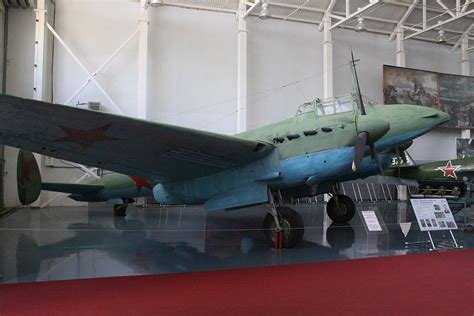
Raskova died right before she could take her regiment into action. On 4 January 1943 she took off from Kirzhach on her Pe 2, leading two similar planes to their operational airfield near Stalingrad, however due to the terrible weather all three planes crashed and, while the crew from the other two planes survived, Raskova’s one impacted with no survivors. She would be buried in the Kremlin at the first state funeral of the war.