


Introduction
Have you ever thought about what that constant, high-pitched roar is when you’re walking on the tarmac or sitting in the cabin waiting for pushback? The pilots haven’t turned on the huge turbofans that are under the wings yet. Instead, you’re hearing the sound of a parked airplane’s heart. Most commercial airliners have a very important piece of machinery hidden away in the tail cone, behind a fireproof wall. This secret powerhouse is more than just a backup generator. It keeps the plane running on the ground and is a very important safety net in the air. Let’s look into the interesting mechanical world of the Auxiliary Power Unit (APU).
The Hidden Miniature Jet Engine
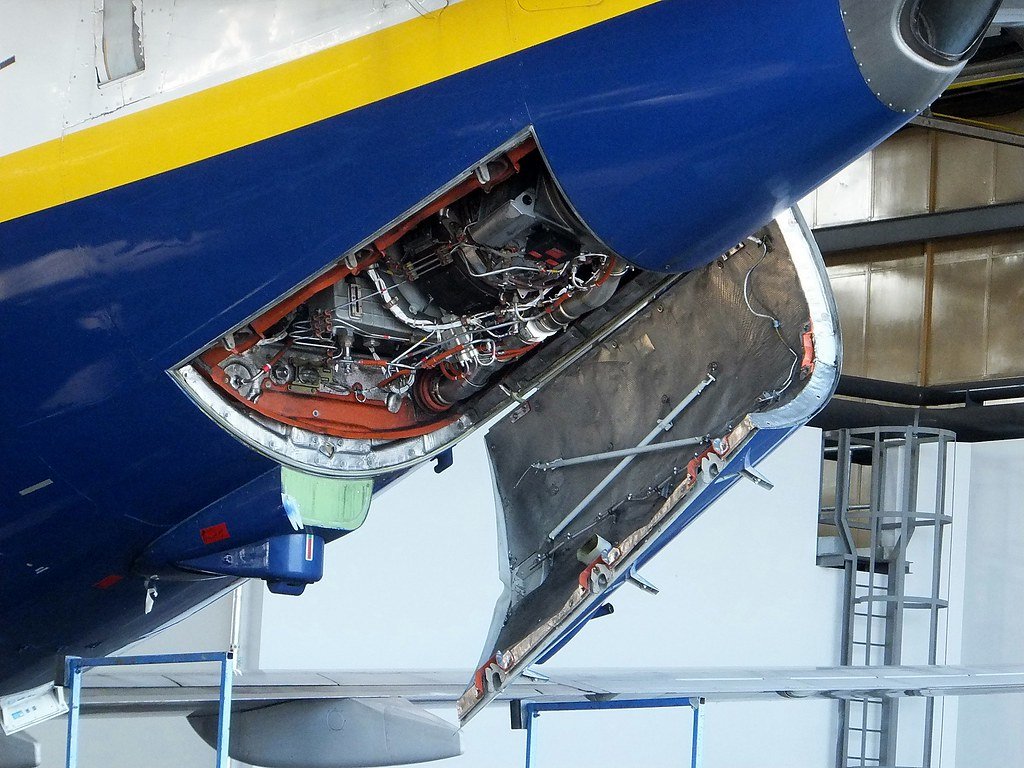
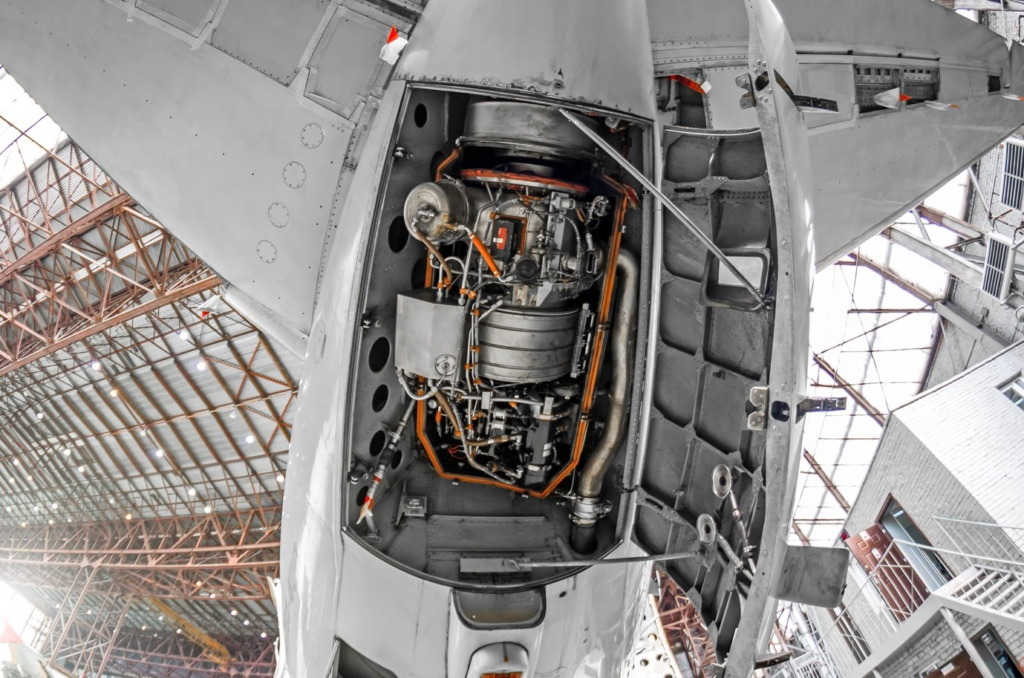
If you look at the cross-section of an airplane’s tail, you’ll see that the APU is basically a small gas turbine engine. This small turbomachinery is the basis for the global standard for commercial aviation. But why is it so hard? Here are some reasons why:
An APU is made to do two very different things at the same time as well as possible. The core gas turbine is the power section. It drives a huge electrical generator that powers the aircraft’s lights, avionics, and galleys.
The same turbine shaft also powers a load compressor. This part pulls in air from outside, compresses it, and sends high-pressure bleed air to the aircraft’s pneumatic systems. Engineers and facilities must make sure that the APU automatically balances these mechanical and pneumatic loads based on what the plane needs at any given moment.
Functions of APU
An APU doesn’t just run in the background. It carries out a careful, multi-step set of tasks based on the stage of flight:
When an airplane gets to a gate and the main engines are turned off, the APU takes over. It gives the cabin air conditioning, flight deck instruments, and passenger cabin all the power they need to stay comfortable without needing power carts from the airport.
The Pneumatic Jumpstarter: You can’t just turn a key to start a big jet engine. If you lit fuel in a stationary engine, it would start a huge fire. The APU is a big air-powered starter instead. It sends high-pressure bleed air through ducts to spin the huge fan blades on the main engine up to a certain RPM before adding fuel and starting the engine.
ETOPS Lifeline: The cabin is only quiet after the APU goes to sleep during cruise to save fuel. The APU is a lifeline for twin-engine planes that fly long distances over oceans (ETOPS), though. If the main engine stops working, the APU must be started in midair to restore important electrical power. These APUs go through very harsh “cold soak” tests to show that they can start up reliably at 40,000 feet after being left alone in temperatures as low as -50°C.
Why in the Tail?
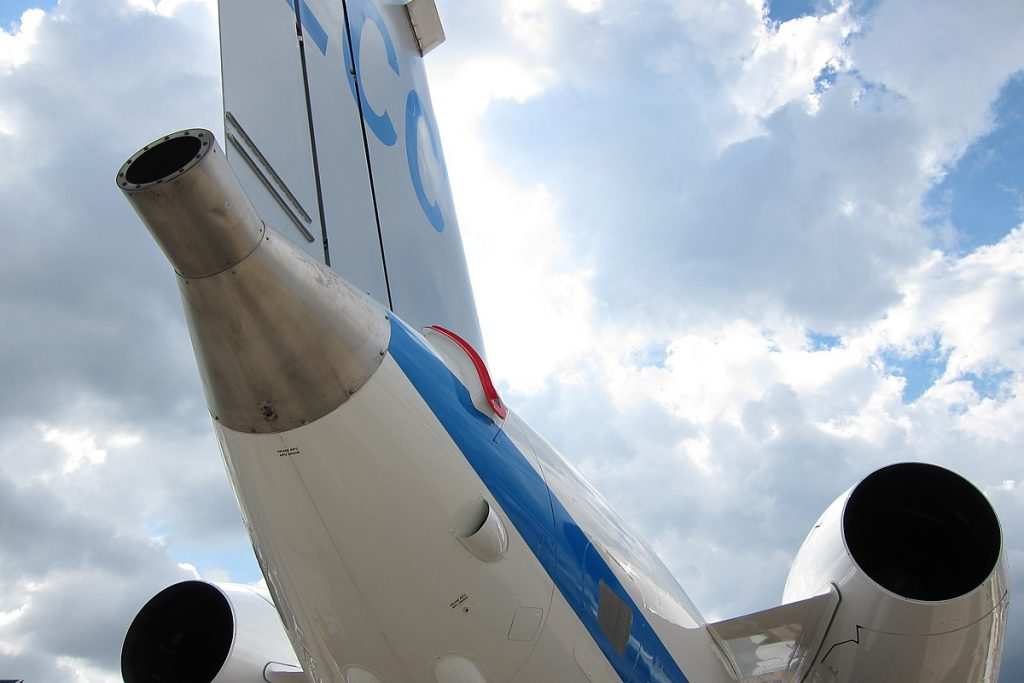
Have you ever thought about why the APU is always stuck in the very back of the plane? Putting a very active turbine that burns jet fuel in the tail cone has important engineering and safety benefits. First, it keeps the loud noise and high-frequency vibration far away from the passenger cabin. More importantly, it makes a very important safety buffer. There is a solid titanium firewall between the tail cone and the rest of the fuselage. The tail cone is not pressurized. If there is a serious mechanical failure or fire in the APU, the flames and debris are safely directed outward and backward, away from the main fuel tanks and passenger areas.
US Airways Flight 1549
The APU’s emergency feature is most famous for being used in the United States. Captain Chesley Sullenberger started the APU right away when US Airways Flight 1549 hit a flock of geese and lost thrust in both engines shortly after takeoff.
This quick action brought back the electrical bus power that was needed to keep the Airbus A320’s critical flight computers, glass cockpit displays, and fly-by-wire system running. If the APU hadn’t provided this backup power right away, the plane would have gone back to using its basic batteries, which would have made the perfect water landing in the Hudson River almost impossible.

Conclusion
The APU has some things that don’t make sense. Even though it’s one of the smallest engines on the plane, it has the huge job of starting the biggest ones and keeping the whole electrical system running in case of an emergency. The little turbine in the tail works hard to make sure your flight starts and ends safely. Next time you fly, take a moment to think about how amazing it is.
References
https://en.wikipedia.org/wiki/Auxiliary_power_unit