



Introduction
Have you ever wondered “How does the industry make sure that this thing will safely fly thousands of miles up at 35,000 feet?” The answer lies in one basic concept underlying the whole global aviation ecosystem: Airworthiness.
Airworthiness is the invisible shield that protects us every time we take to the sky. But what is it? How did it come to be? And what place does it hold in this day and age of hyper advanced technology? Let’s go on a deep dive into the fascinating world of aircraft airworthiness.
Airworthiness
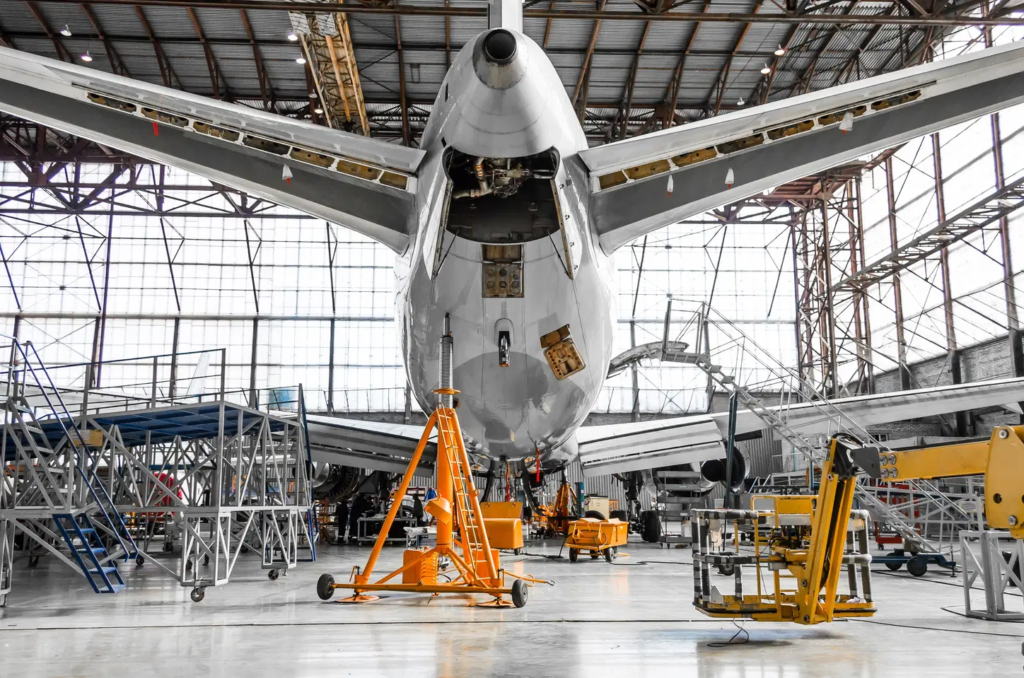
At its core, airworthiness is a measure of an aircraft’s fitness for safe flight. But in aviation, safe is not a feeling, it is a hard legal and technical status. An aircraft must satisfy two important conditions to be legally airworthy:
Type Design Conformance: The actual aircraft must conform exactly to the engineering blueprints, materials, and specifications approved by the regulatory authority.
Safe Operation Condition: The aircraft must be properly maintained, free of critical defects and free of excessive wear and tear that may compromise the structural integrity or the systems of the aircraft.
The Historical Runway: From Canvas to International Code
The early days of aviation were marked by courage, relentless innovation and, sadly, a great deal of danger. When Orville and Wilbur Wright took to the skies in 1903, airworthiness was a matter of experimentation. If the plane did not fall apart and the pilot lived, the design was considered a success.
Governments soon realized that safety protocols needed to be standardized when aviation was no longer a daredevil hobby, but rather a legitimate means of transport and a military necessity during WWI.
1920s: The Start of Regulation
A turning point in the United States was the Air Commerce Act of 1926. It required the Secretary of Commerce to promulgate and enforce air traffic rules, to license pilots, and to certify aircraft. For the first time, a centralized body was determining what was the baseline for making a machine safe to fly. Similar developments occurred in Europe, where individual countries established their own fragmented aviation boards.
The World Standard (1944)
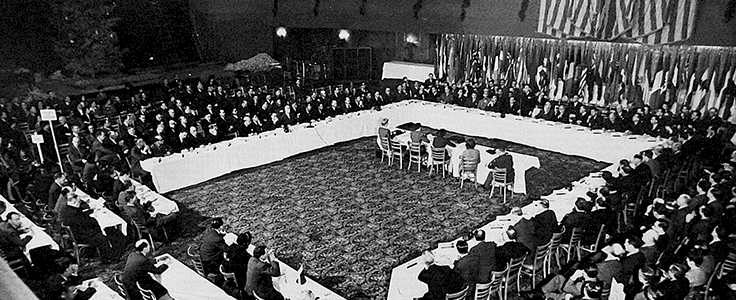
The real turning point for international airworthiness was the Chicago Convention of 1944, which resulted in the creation of the International Civil Aviation Organization. Aviation is inherently borderless. An airplane built in the US, owned by a German airline, flying from Japan to Australia needs a common language of safety. The ICAO established the basic requirements that have been developed and refined into today’s regulations by the relevant national agencies.
The Jet Era (1950s – 1960s)
The development of high-pressure, jet-propelled airliners such as the De Havilland Comet and the Boeing 707 posed a whole new set of problems. Catastrophic accidents with the Comet exposed the frightening problem of metal fatigue induced by the process of pressurizing the plane’s cabin. This made the industry take measures to conduct more intensive structural tests of the designs, thus changing the entire approach to aircraft airworthiness certification.
The Triad of Aircraft Certification
Before the design of any new plane gets to the airlines, it must go through a long process of certification that often lasts for several years. The modern airworthiness certification process is based on three basic certificates:
Type Certificate:
It represents the certification of the design. The authorities examine every drawing, piece of software and choice of materials. The manufacturer must demonstrate through years of rigorous ground testing, stress testing, and flight testing that the design will cope with the stresses and strains associated with flying under all conditions (stalls, cross winds, engine failures, etc.). It normally takes over five years to get TC for any new commercial jet.
Production Certificate:
Once the design has been certified, the manufacturer must now demonstrate that it can manufacture this design repeatedly without any faults whatsoever. The PC is the stamp that the manufacturer has the proper quality assurance procedures in place to replicate the Type Certificate accurately.
Certificate of Airworthiness:
This certificate serves as a license plate of the skies. It is an actual license certificate given to the individual aircraft when it comes off the production line.
The Present Situation
Today’s modern commercial planes like the Boeing 787 Dreamliner or Airbus A350 are built largely using composite materials. Although lighter and stronger compared to metal alloys, composite materials wear out in a slightly different way. For instance, dropping a heavy object on a composite material might not create any apparent impression on its surface, but will cause internal delamination at a microscopic level. Consequently, non-destructive testing through ultrasonic or thermographic testing becomes a necessary process for contemporary aircraft.
Additionally, today’s planes are data centers on wings. With fly-by-wire technologies, it means that it is a computer rather than a cable that interprets commands given by the pilot and instructs control surfaces. As a result, software integrity becomes an integral part of contemporary airworthiness. Regulators need to confirm that millions of lines of code can never fail, freeze, or behave erratically in any conditions.
Continuing Airworthiness
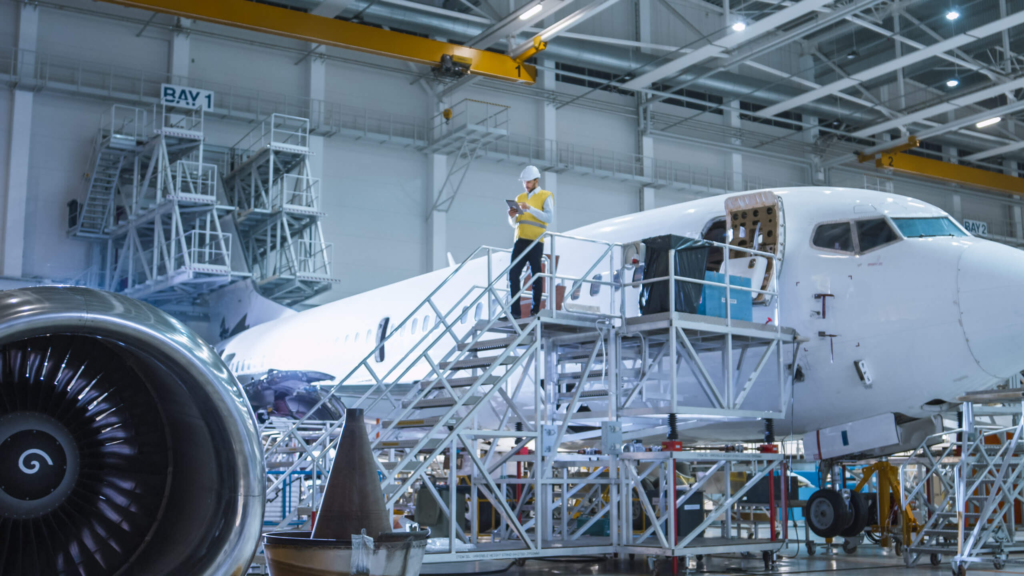
Being airworthy is not something that happens only once. What makes an airplane airworthy today may make it unairworthy tomorrow if certain mandatory checks are not done.
Commercial airlines have huge Maintenance, Repair, and Overhaul (MRO) capabilities for checking their entire fleet continuously according to very tight schedules. Where there is any new safety-related problem found within an entire fleet of airplanes, the regulatory body or the manufacturer issues an Airworthiness Directive (AD). An AD is an order issued to do certain work. Once an AD expires without compliance by the concerned airlines, the plane becomes unairworthy and cannot be used any further.
Conclusion
Airworthiness is the foundation upon which the aviation industry thrives. It is a demonstration of our capacity for engineering greatness, an indication that the lessons of the past were well worth the price paid for learning them, and a continuously developing field of study. When the next time comes and you find yourself sitting comfortably in your seat by the window, rest assured that countless man-hours of work have gone into making sure that your aircraft is airworthy.
References:
https://www.faa.gov/aircraft/air_cert/airworthiness_certification
https://www.icao.int/safety/airnavigation/Pages/airworthiness.aspx
https://www.easa.europa.eu/en/domains/aircraft-products/type-certificates