
About Rotorthon: Rotorthon is an event focused on the VTOL sector of the aerospace field. It centres on innovation and current hot topics, challenging students to develop groundbreaking solutions. At the online challenge, each team is assigned a problem related to VTOLs, which they must address and submit before the deadline.
Let’s take a closer look at Rotorthon 2025 Online Challenge from the winning team’s perspective!
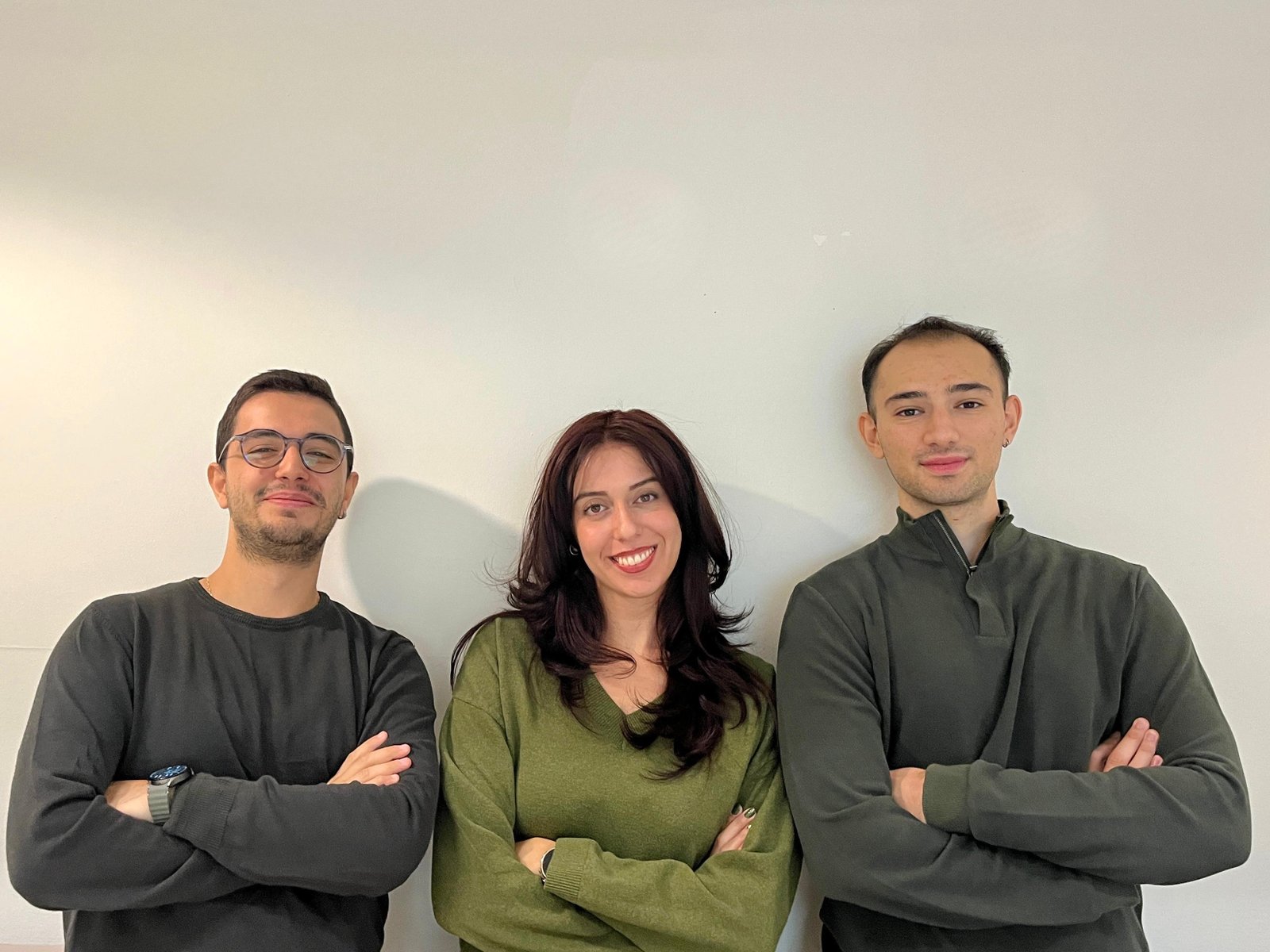
Interviewees: Mehmet Uzun (MU), Şebnem Varol (SV), Ekin Mesut Denizel (EMD)
Interviewer: Elif Uyar (EU)
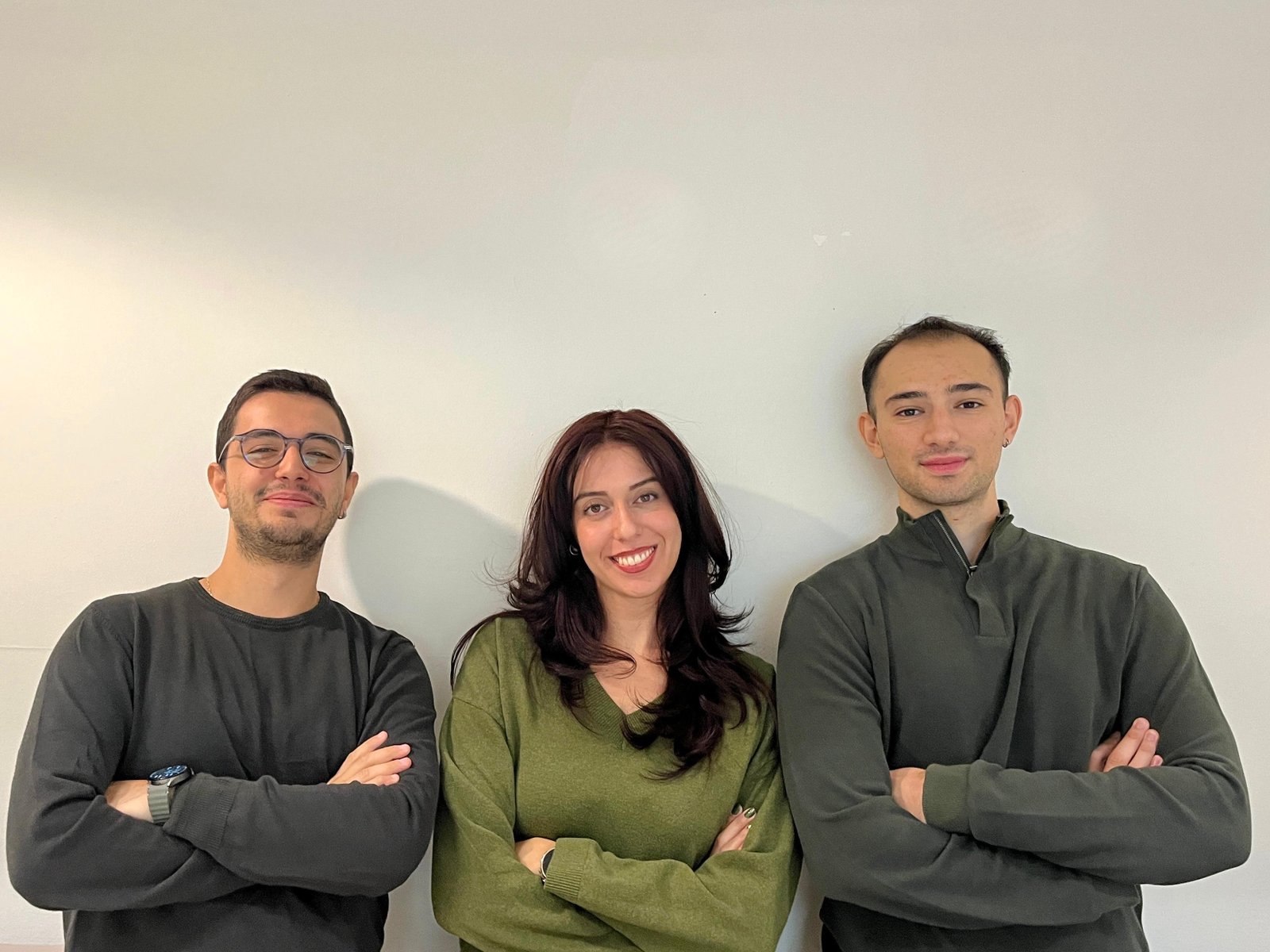
EU: Could you briefly introduce yourself and your team, and tell us about your role within it?
MU: I’m Mehmet Uzun, an Aerospace Engineering graduate. My role was to carry out the cost analysis, and I also contributed to brainstorming the concept of the project with the team.
SV: My name is Şebnem. I also graduated in Aerospace Engineering this year. On the project, I was responsible for risk management and for visualizing the concept, as well as checking our compliance with the regulations.
EMD: My name is Ekin. I also graduated in Aerospace Engineering this year. I worked on flight distance, flight time, and battery calculations, along with some efficiency calculations for our project.
EU: How did your team come together, and what was your team structure? How did you divide responsibilities?
SV: We were already close friends, and when we saw there was a challenge like Rotorthon, we wanted to take part. When we decided to enter, we were living in different cities, so we held several online meetings together and recorded our application video separately before editing it into one. It was a lot of fun, even though we weren’t physically together.
EU: What inspired you to enter Rotorthon, and why did you choose your specific concept or theme?
SV: When deciding on our concept, we naturally stuck to the requirements set by the organizers. Our idea was to reach the rural areas of Türkiye that are inaccessible for much of the year because of the country’s high plateaus and harsh environmental and climatic conditions. We wanted to carry a 200 kg payload over a distance of at least 450 km. We decided to apply this UAV solution to Ardahan, a city in the Black Sea region of Türkiye that is difficult to reach, to help agricultural workers and producers receive more supplies throughout the year. With that goal in mind, we designed a UAV that is both climate-friendly and highly efficient.
EU: What was the most challenging moment your team faced, and how did you work through it?
MU: The most difficult part was settling on our concept. We initially had a different idea, but then realized it didn’t meet the regulations, so we had to change direction. In the end, though, we managed to work through it.
EU: How would you describe your overall experience throughout the competition?
SV: Overall, it was a fun and educational experience. We had the chance to learn new things because of the requirements, since we didn’t know everything about the project going in, and we also didn’t have much time. We had only seven days from when we learned the requirements, so it was an intense working period. We worked hard day and night and were together the whole time, the three of us. It was good for our friendship, too, we became even closer through this project.
EMD: For me, the competition was nerve-wracking, informative, and challenging, because we had limited time and an important problem to solve. I’d say it was mainly defined by a lack of sleep, along with how informative and enjoyable the whole experience was, really a combination of all those feelings.
EU: Having experienced Rotorthon as an online challenge, do you think the virtual format helped or limited your team’s creativity and collaboration compared to an in-person competition?
EMD: I’d say the online format worked better for us than an in-person event would have, because we had more time and could sleep at our own place, which made me feel more comfortable.
EU: Presenting and defending your concept in front of a jury can already be nerve-wracking. How did doing this online, rather than in person, affect your presentation and defence strategy?
EMD: We were already used to presenting online, so we didn’t need to change our overall strategy. But since there was a risk of connection or microphone issues, we made sure our setup was solid and focused on getting the best possible audio. That was really the only adjustment we made. Otherwise, we didn’t struggle with anything.
EU: How did it feel when your team was announced as the winner? Did you imagine you’d end up winning when you started out?
MU: We weren’t too surprised, since we believed in our project, but it still felt great to hear that our team had taken first place.
EU: What do you think was the key factor that helped your concept stand out to the jury? Was it the idea itself, the presentation, or how you defended it?
SV: I think what stood out about our project was a combination of everything. According to the jury’s feedback, our defence of the project was well constructed, and they also liked the idea itself, especially since, as far as I remember, one of the other competing teams had an idea that wasn’t technically correct. That distinction matters a lot when it comes to deciding the winner. I also think our presentation was strong, and the jury seemed to agree. Presentation matters because it’s how you show the work you’ve put in and how you defend it.
EU: What did presenting and defending your concept in front of a distinguished jury teach you that you didn’t expect?
EMD: We researched presentation techniques before preparing ours. We made a point of not reading from a script to sound fluent and natural, and we explained why we chose certain approaches over others. We also kept text and information to a minimum, including only key points and a few relevant figures about our project. When the jury asked a question, we didn’t jump straight into an answer. We took a moment to think first, then explained our key points clearly. That’s part of why we avoided mistakes when answering.
EU: What advice would you give to teams considering joining the next editions?
SV: My advice to new participants is to focus on having a strong presentation, that’s the main thing. You can also watch the YouTube video of the results announcement for the detailed feedback the jury gave us.
MU: My first piece of advice is to start early. The earlier you start, the more time you have to ask the jury questions about your chosen concept. My second piece of advice is to read the regulations very carefully.