


From Workshop to Research: Beoavia at CNN TECH Conference
Carbon fiber. Tensile tests. Numerical models. Behind every successful UAV lies something just as important as the aircraft itself: research.
This year, members of Beoavia had the opportunity to present their work at the CNN TECH Conference, the International Conference of Experimental and Numerical Investigations and New Technologies, with a paper titled:
“Numerical Model Validation of Composite Structures for UAV Design: A Beoavia Student Team Case Study”
For years, composite materials have been at the core of our aircraft designs. Lightweight, strong, and versatile, they enable the development of efficient unmanned aerial vehicles capable of meeting the demanding requirements of international competitions.
However, designing composite structures is far from simple. Before a component is ever manufactured, engineers rely on numerical methods and simulations to predict how materials will behave under real operating conditions. At Beoavia, those predictions came from a MATLAB script developed in-house and tailored to our own manufacturing conditions. The goal of this research was to validate them through experimental testing.
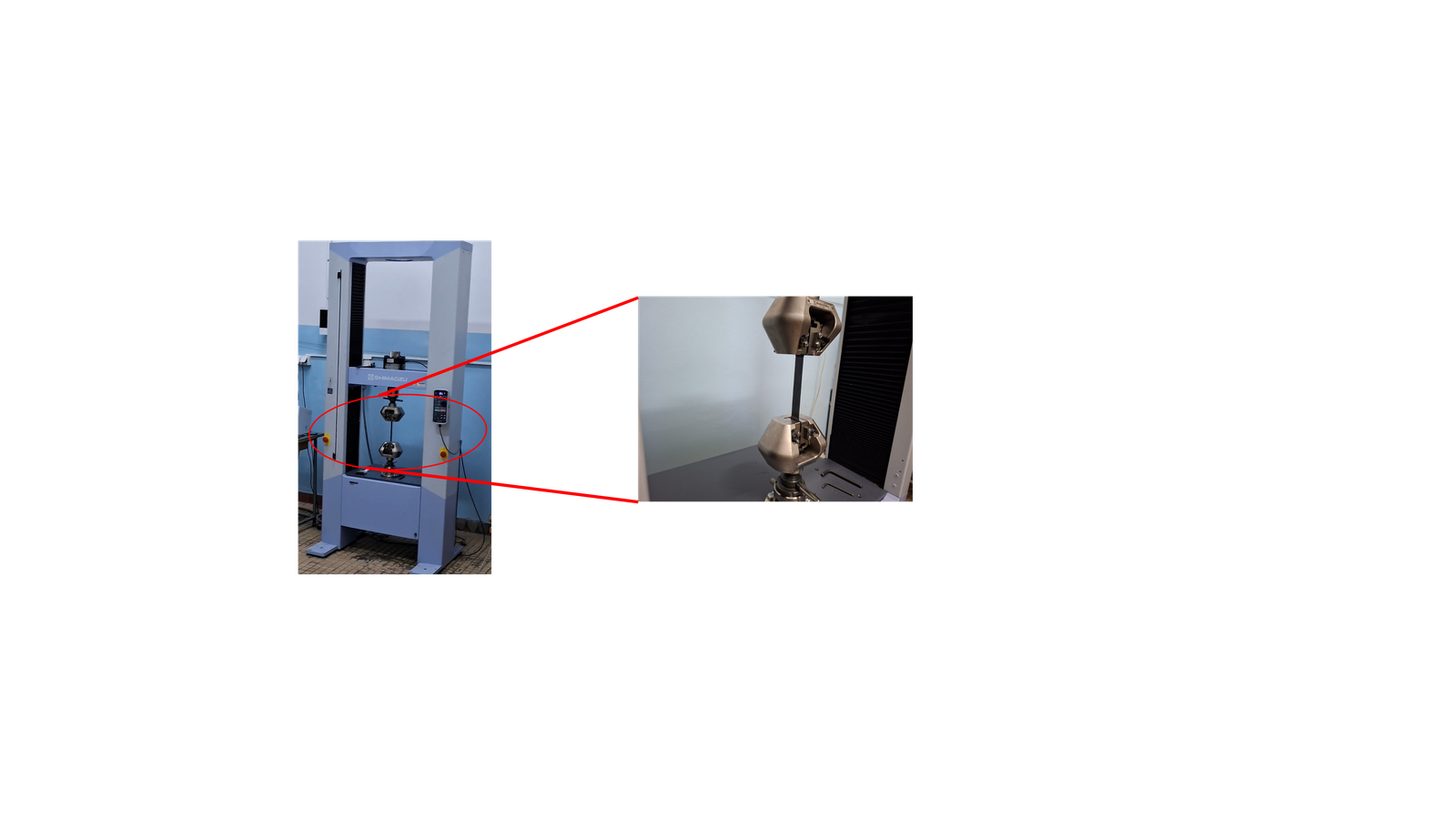
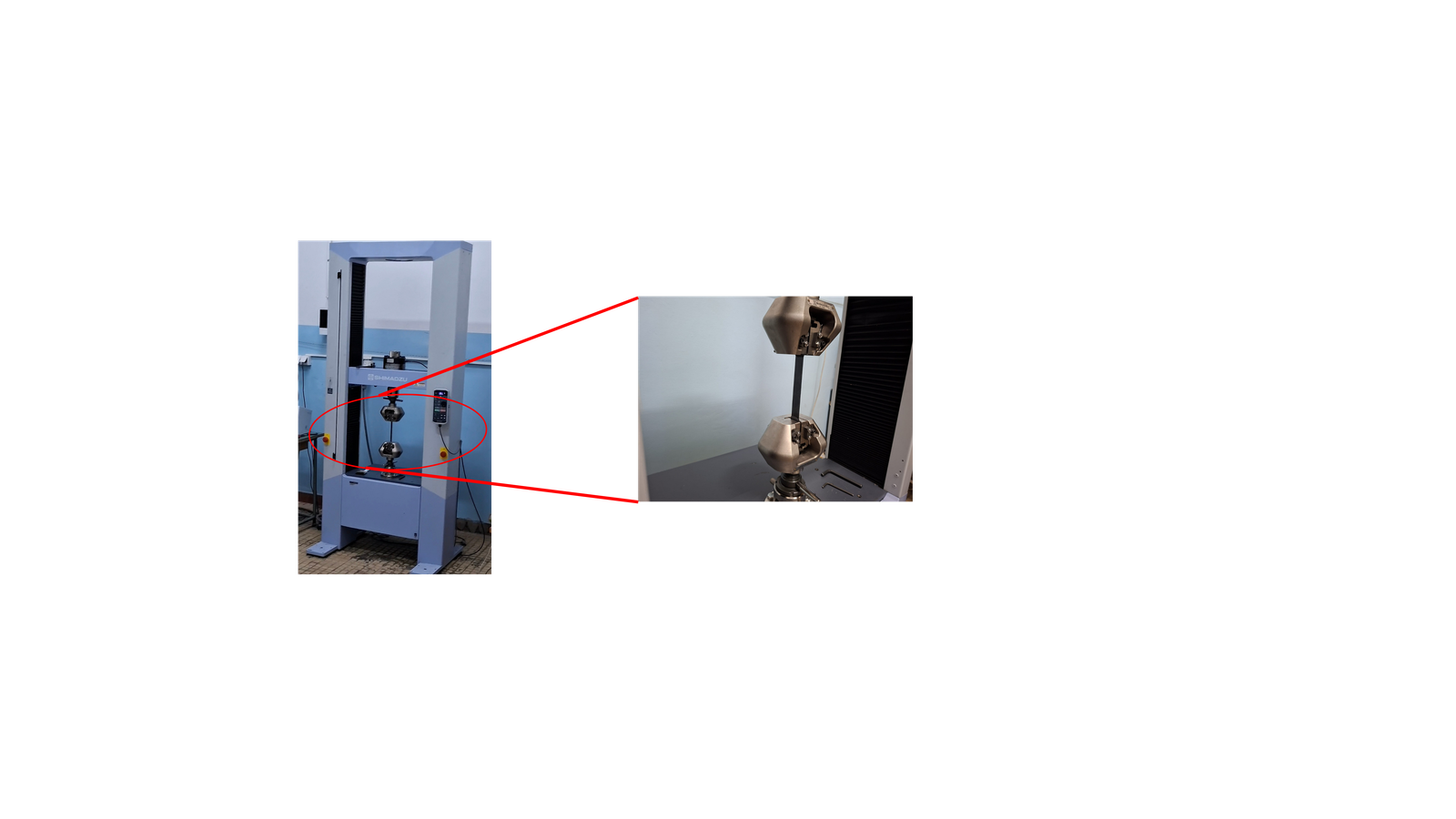
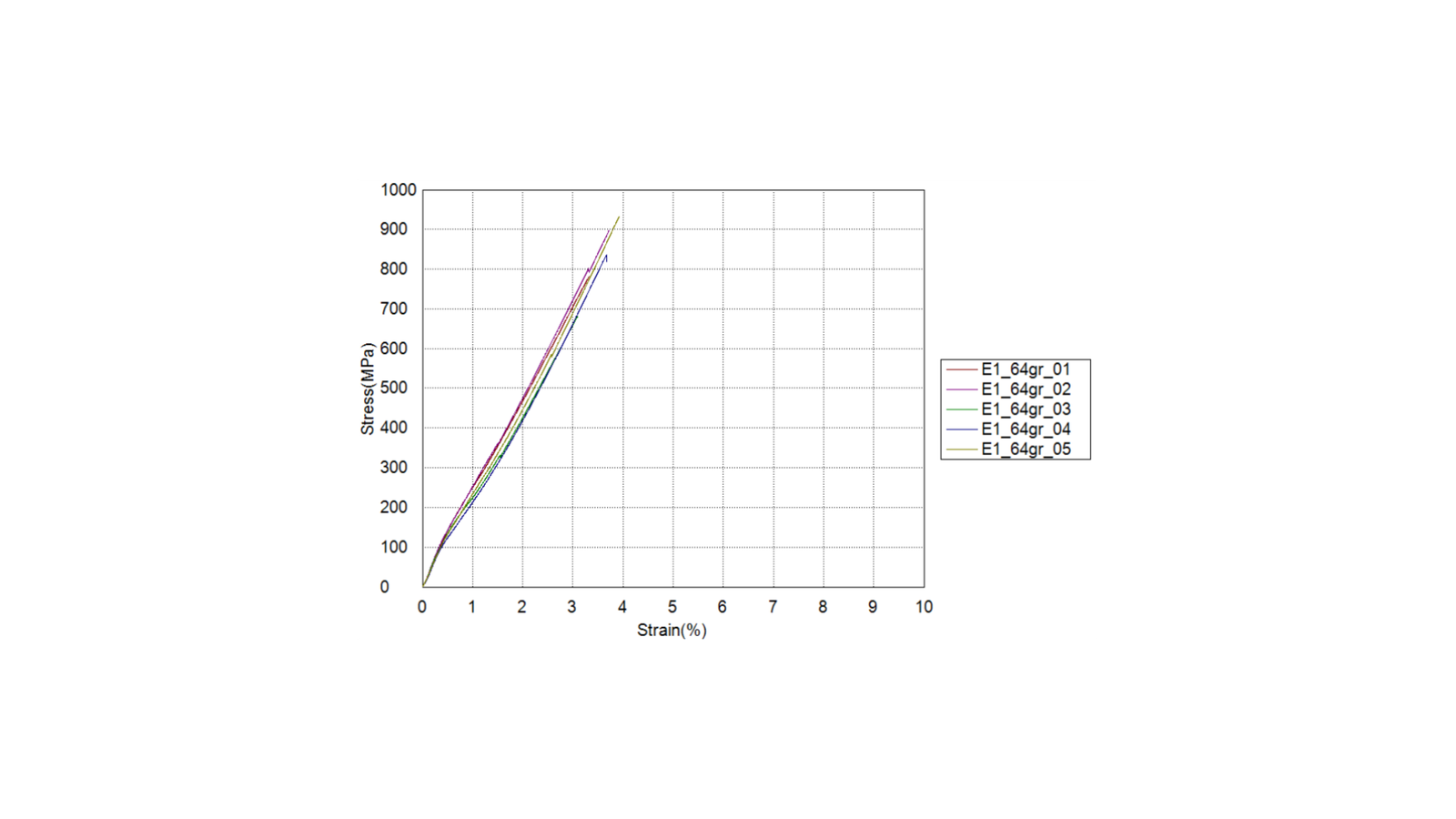
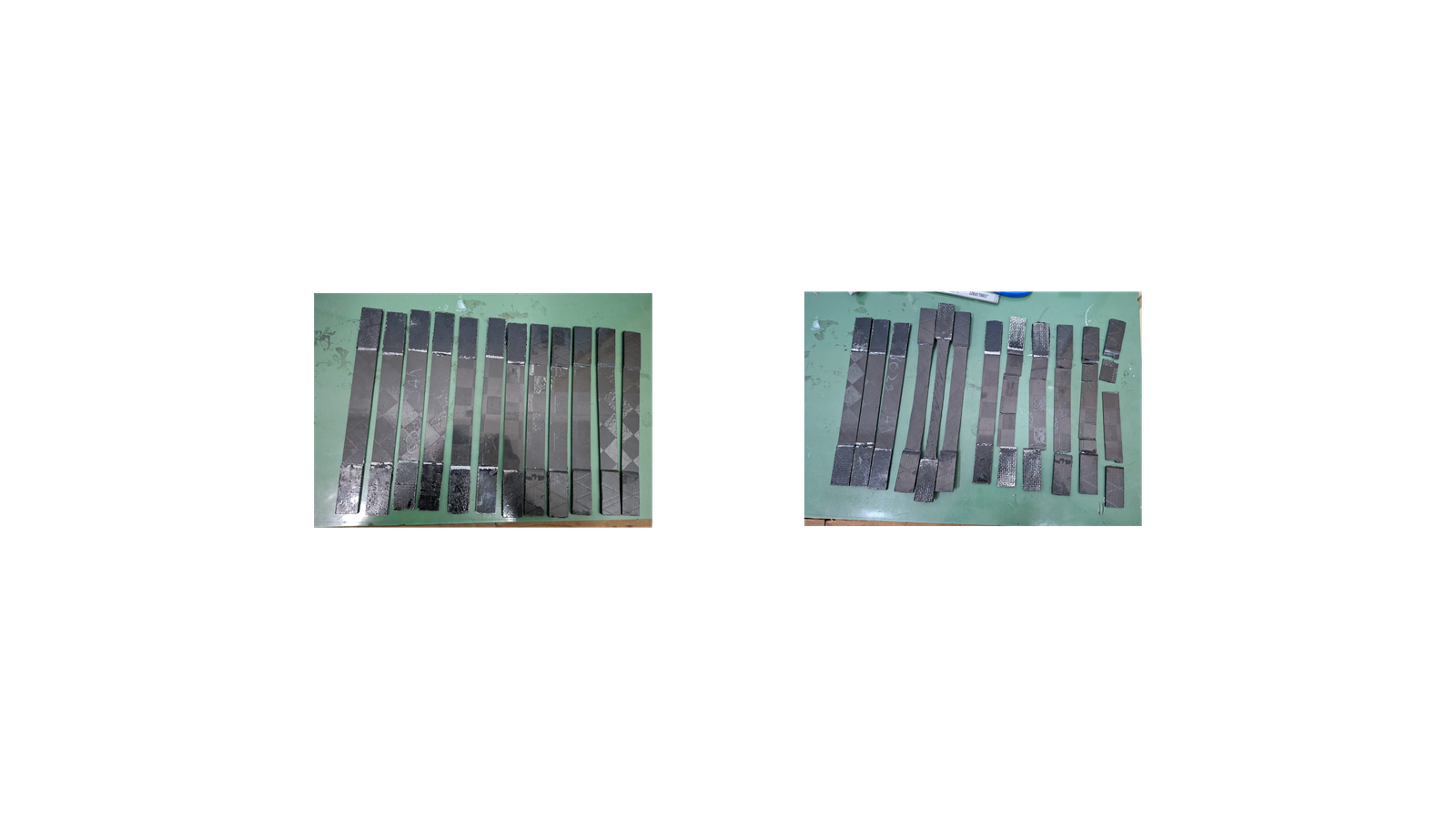
Using carbon-fiber specimens manufactured in-house through the Vacuum-Assisted Resin Transfer Molding (VARTM) process, the team conducted a series of tensile tests on different reinforcement configurations: 64 g/m² Spread Tow TeXtreme®, plain weaves at 68, 90 and 160 g/m², and unidirectional fabrics at 50 and 80 g/m². Panels 0.8 mm thick were cut and tested to the ASTM D3039 standard, with five specimens per condition, woven fabrics at 0° and 45° and unidirectional material at 0°, 45° and 90°. The experimental results were then compared with values predicted by analytical and numerical models developed specifically for Beoavia’s manufacturing methods.
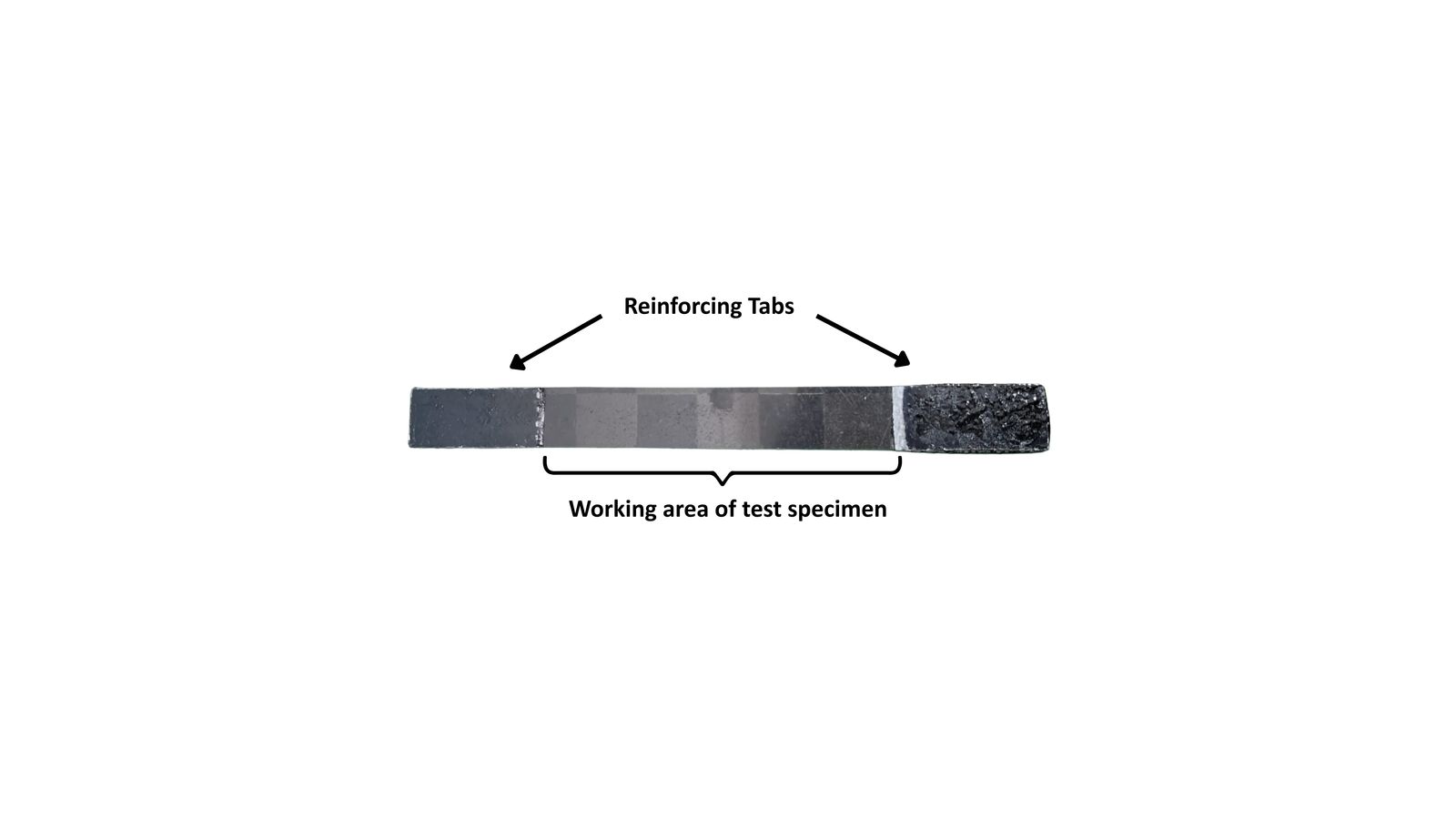
The results were highly encouraging. For most woven carbon-fiber fabrics, the numerical predictions closely matched the experimental data, within a margin of about 12 percent, confirming the reliability of the methods used throughout the aircraft design process. At the same time, several unexpected behaviors were observed in unidirectional laminates, opening new opportunities for further investigation and research. The next step is to repeat these tests paired with Digital Image Correlation, and then establish whether the deviation comes from the reinforcing tabs, the testing machine, or the model itself.
More importantly, the study tells us how far our own calculations can be trusted, and where they still need to be checked before they go into a design.
By combining aircraft design, experimental testing, and scientific research, our members gain valuable experience that extends far beyond competitions. Every aircraft we build becomes a platform for learning, innovation, and continuous improvement.
In aerospace engineering, every successful flight begins long before the aircraft leaves the ground.